

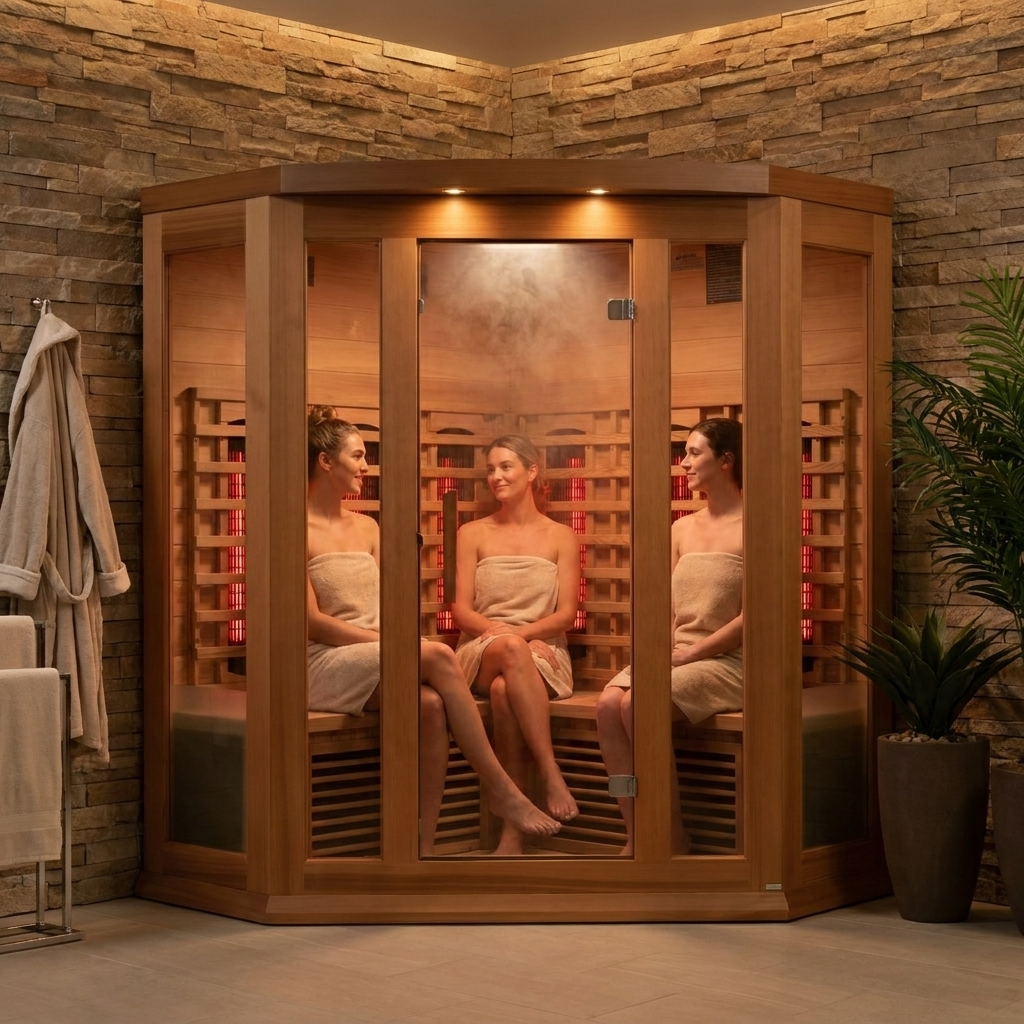
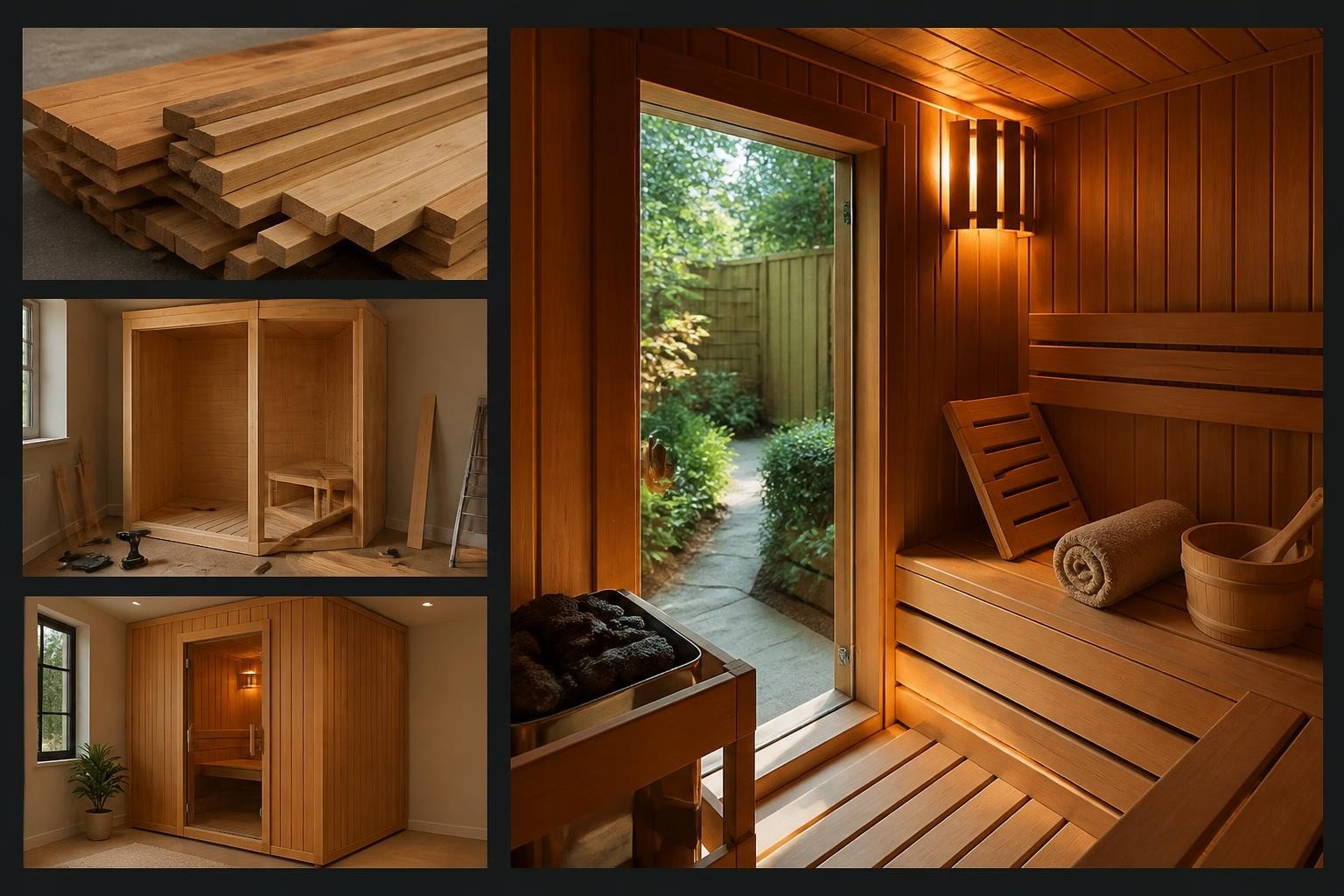
There's something timeless and deeply therapeutic about stepping into a wooden sauna. The natural warmth of the wood, the subtle scent of cedar or hemlock, and the enveloping heat create an experience that feels both ancient and modern. Whether you're building from scratch, purchasing a prefabricated unit, or converting an existing space, understanding the materials, construction methods, and benefits of a wooden sauna will help you make the right choice for your home wellness journey.
Why Wood Remains the Gold Standard for Sauna Construction
Wood isn't just a traditional choice for saunas-it's the optimal material for heat retention, comfort, and safety. Unlike metal or plastic alternatives, wood naturally insulates while remaining cool to the touch even in high-heat environments.
The science behind wood's superiority includes:
- Natural insulation properties that maintain consistent temperature
- Low thermal conductivity preventing burns on contact surfaces
- Moisture regulation through natural wood grain
- Pleasant aromatic compounds released during heating
- Aesthetic warmth that enhances the relaxation experience
A well-constructed wooden sauna can last decades when properly maintained. The investment in quality wood materials pays dividends through durability, comfort, and the enhanced therapeutic experience it provides.
Selecting the Right Wood Species
Not all woods perform equally in the demanding sauna environment. The ideal sauna wood must withstand dramatic temperature fluctuations, resist moisture damage, and maintain structural integrity over years of use.
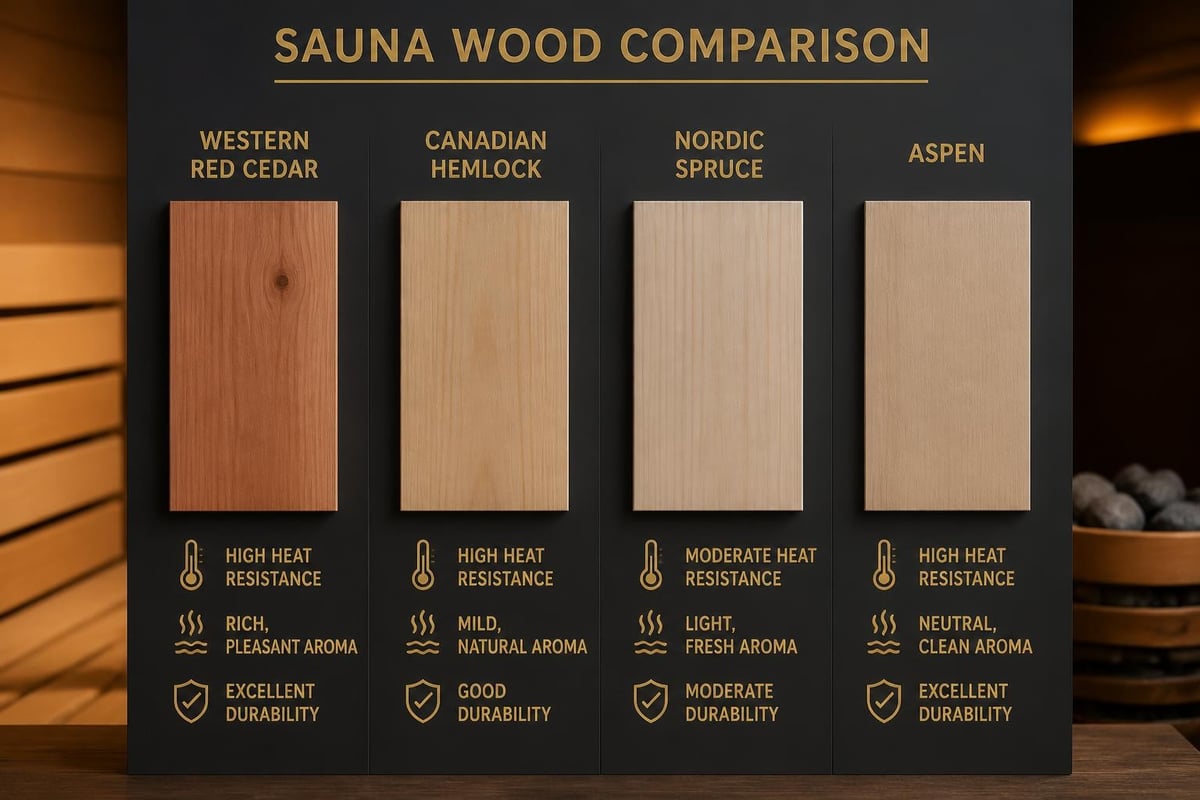
According to comprehensive guides on sauna construction materials, the top choices include Western Red Cedar, Canadian Hemlock, Nordic Spruce, and Aspen. Each offers distinct advantages depending on your priorities and budget.
| Wood Type | Heat Resistance | Aroma | Cost | Durability |
|---|---|---|---|---|
| Western Red Cedar | Excellent | Strong, pleasant | High | 20+ years |
| Canadian Hemlock | Excellent | Mild, subtle | Medium | 15-20 years |
| Nordic Spruce | Very Good | Light, clean | Medium | 15-20 years |
| Aspen | Good | Minimal | Low-Medium | 10-15 years |
Western Red Cedar stands out as the premium choice for many builders. Its natural oils resist rot and insect damage while releasing a distinctive aroma that enhances the sauna experience. The wood's stability prevents warping even under extreme temperature variations.
Canadian Hemlock offers exceptional performance at a more accessible price point. This wood maintains its structural integrity beautifully and provides a clean, modern aesthetic that complements contemporary home design. Many high-quality prefabricated saunas utilize Canadian Hemlock for its reliability and cost-effectiveness.
Building Your Wooden Sauna: Construction Methods and Considerations
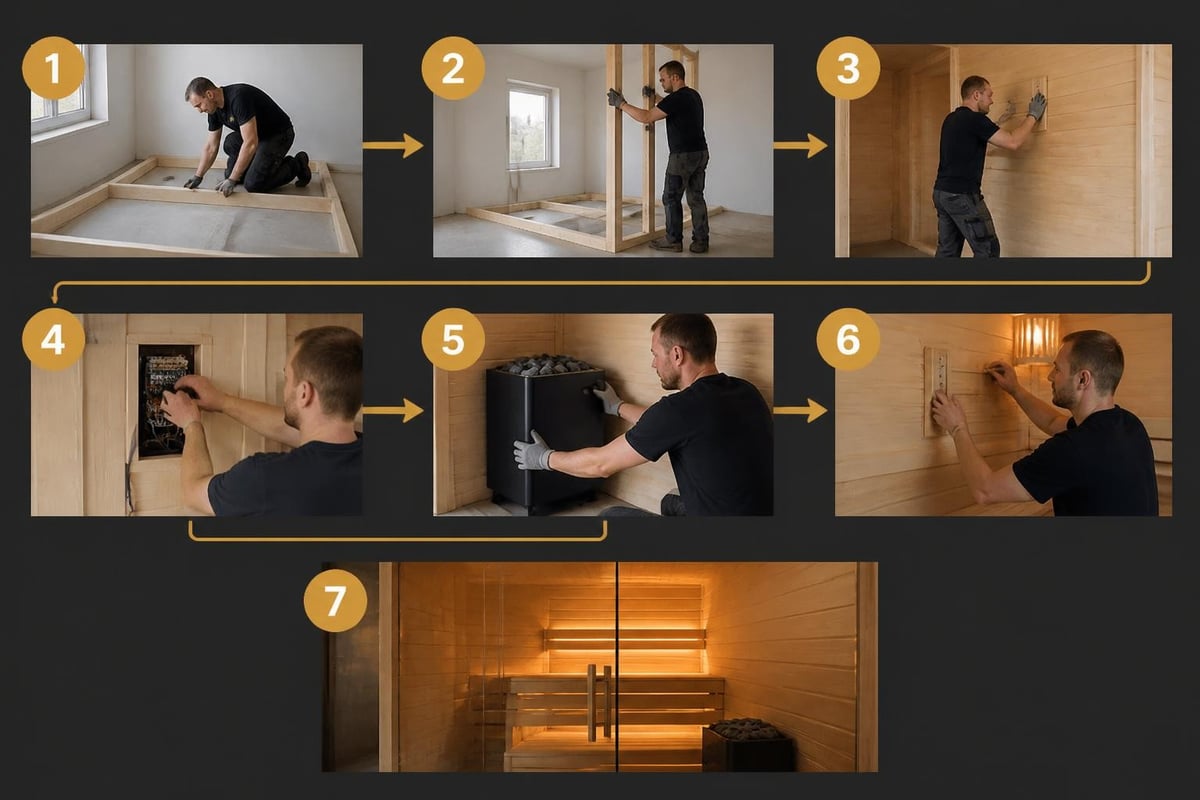
The construction approach you choose dramatically impacts both the initial investment and long-term satisfaction with your wooden sauna. Two primary paths exist: custom construction and prefabricated units.
Custom DIY Construction
Building a custom wooden sauna allows complete control over dimensions, materials, and features. This path requires significant planning but offers unmatched personalization.
Essential construction components include:
- Foundation and flooring rated for heat and moisture
- Wall framing with proper insulation between studs
- Vapor barrier to prevent moisture infiltration
- Interior wood paneling installed horizontally or vertically
- Ceiling construction with enhanced insulation
- Door installation with proper sealing
- Ventilation planning for air circulation
Detailed DIY sauna building guides emphasize the importance of proper ventilation design. Fresh air intake near the floor and exhaust vents near the ceiling create the ideal circulation pattern for consistent heating and comfort.
The insulation layer plays a critical role in energy efficiency. Most builders recommend R-13 to R-19 insulation in walls and R-26 to R-30 in ceilings for optimal heat retention.
Prefabricated Wooden Sauna Systems
Prefabricated saunas have evolved dramatically in recent years. Modern units offer sophisticated features while maintaining the authentic wooden sauna experience.
These systems arrive with precision-cut wood panels, pre-wired electrical components, and comprehensive installation instructions. Most homeowners can complete installation in a single day with basic tools and one helper.
Advantages of prefabricated wooden saunas:
- Factory quality control ensures consistent construction
- Faster installation reduces labor costs
- Warranties protect your investment
- Professional design optimizes heat distribution
- Modern features integrate seamlessly
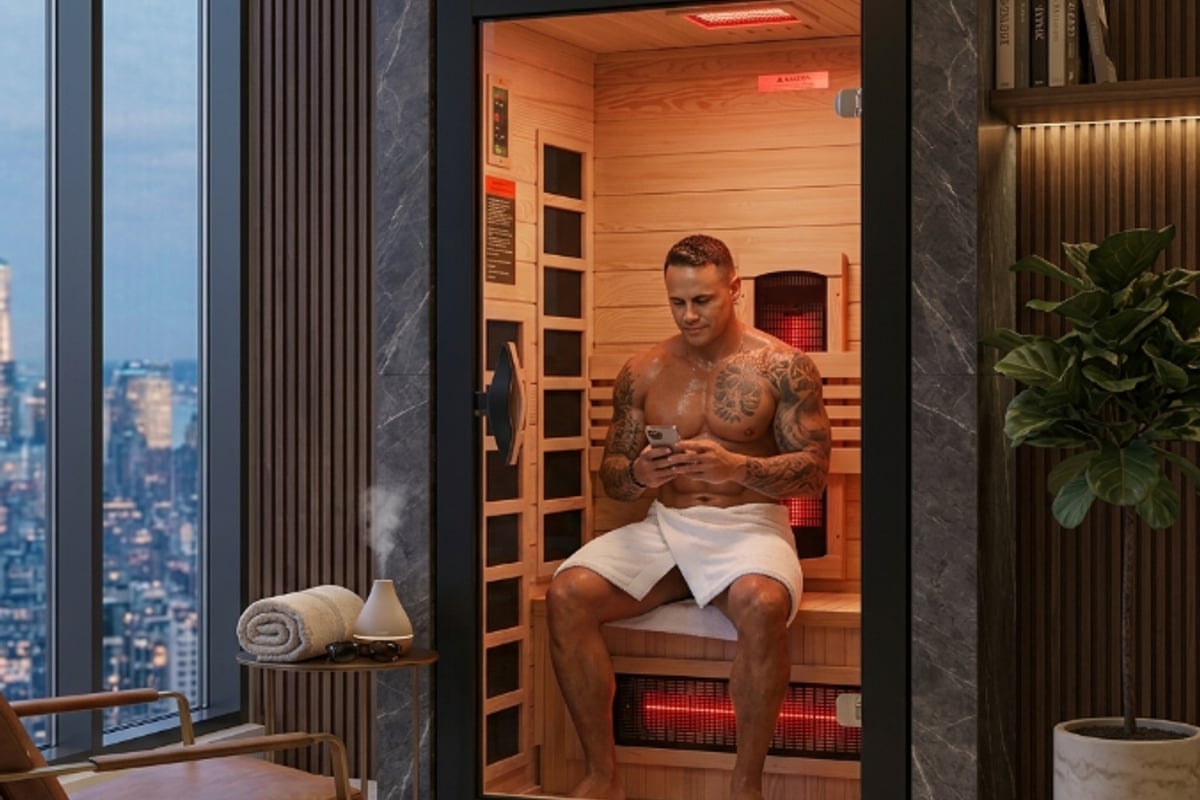
The Dynamic Santorini 1-2 Person Full Spectrum Near Zero EMF FAR IR Sauna exemplifies modern prefabricated design. Its compact footprint and plug-and-play setup make it ideal for apartments, condos, master bathrooms, or home gyms. The Canadian Hemlock construction provides authentic wooden sauna aesthetics while advanced infrared technology delivers therapeutic heat efficiently.
Wood Treatment and Safety Considerations
Raw, untreated wood performs best in sauna environments. Chemical treatments, stains, and sealers can release harmful compounds when heated to sauna temperatures.
Chemical-Free Construction Standards
Understanding sauna material chemical safety protects both immediate health and long-term wellbeing. Professional sauna builders universally recommend avoiding any chemical treatments on interior surfaces.
Natural wood oils provide sufficient protection when you select naturally rot-resistant species like cedar or hemlock. The high temperatures and low moisture levels in properly ventilated saunas prevent the conditions that encourage decay.
Safe construction practices include:
- Using untreated wood for all interior surfaces
- Selecting naturally resistant wood species
- Avoiding pressure-treated lumber inside the sauna
- Ensuring all fasteners are corrosion-resistant stainless steel
- Verifying that adhesives meet high-temperature standards
Some builders ask about using plywood in sauna construction. While plywood can technically be used for framing or backing, the adhesives in standard plywood may release compounds when heated. If using plywood, specify exterior-grade with phenol-formaldehyde adhesive rather than interior-grade with urea-formaldehyde.
Heat Sources and Their Impact on Wooden Sauna Design
The heating method significantly influences both the construction requirements and user experience of your wooden sauna.
Traditional Wood-Fired Heaters
Wood-fired heaters create the most authentic sauna experience with their crackling flames and radiant heat. However, they require the most complex installation including proper ventilation, chimney systems, and fireproof floor protection.
These heaters demand additional clearance from wooden walls and specialized heat shielding. The construction must accommodate both the heater itself and safe wood storage within or adjacent to the sauna space.
Electric Heaters for Wooden Saunas
Electric heaters simplify installation while delivering consistent, controllable heat. They require only a dedicated electrical circuit and proper mounting to wooden walls with heat-resistant backing.
Modern electric heaters incorporate rocks that absorb and radiate heat, creating the traditional sauna atmosphere. Some units include humidity controls for adding steam to enhance the experience.
Infrared Technology in Wooden Saunas
Infrared heating represents a revolutionary approach to sauna therapy while maintaining the beautiful wooden aesthetic. Low EMF infrared panels mount directly to wooden walls, heating the body directly rather than warming the air.
This technology allows lower operating temperatures (110-140°F) compared to traditional saunas (150-195°F), reducing stress on wooden construction while delivering deep-penetrating therapeutic heat. The collection of infrared saunas with Canadian Hemlock construction demonstrates how modern technology integrates seamlessly with traditional wood craftsmanship.
Maintenance and Longevity of Your Wooden Sauna
Proper maintenance extends the life of your wooden sauna from decades to generations. The natural properties of wood make it remarkably resilient when cared for correctly.
Daily and Weekly Maintenance
After each session:
- Wipe down benches with a clean towel
- Leave the door open for complete air circulation
- Remove any water from floors
- Clean glass surfaces if present
Weekly tasks include:
- Vacuum between bench slats
- Check ventilation systems for blockages
- Inspect wood surfaces for discoloration
- Wipe walls with a slightly damp cloth
Never use harsh chemicals, bleaches, or abrasive cleaners on wooden sauna surfaces. These damage the wood grain and may leave residues that release harmful compounds when heated.
Addressing Common Wood Issues
Even with excellent maintenance, wooden saunas may develop minor issues over time. Quick attention prevents small problems from becoming major repairs.
| Issue | Cause | Solution |
|---|---|---|
| Darkening wood | Body oils, sweat accumulation | Light sanding with fine-grit sandpaper |
| Loose boards | Expansion/contraction cycles | Re-secure with stainless steel fasteners |
| Musty odor | Inadequate ventilation | Improve air circulation, check drainage |
| Surface cracks | Extreme dryness | Normal; monitor for structural concern |
According to expert guides on sauna wood selection, choosing the right species initially determines how much maintenance your sauna requires. Cedar and hemlock naturally resist many issues that plague lower-quality woods.

Design Features That Enhance the Wooden Sauna Experience
Beyond basic construction, thoughtful design features transform a functional wooden sauna into a luxurious wellness retreat.
Bench Configuration and Ergonomics
Multi-level benches allow users to choose their preferred heat intensity. Heat rises in saunas, so upper benches experience higher temperatures than lower seating.
Bench depth matters significantly for comfort during extended sessions. Minimum depth should be 18 inches for sitting, while 24 inches accommodates reclining positions. The best wooden sauna designs incorporate ergonomic backrest angles and smooth, rounded edges.
Optimal bench specifications:
- Upper bench: 36-42 inches from floor, 18-24 inches deep
- Lower bench: 18 inches from floor, 12-16 inches deep
- Backrest angle: 10-15 degrees from vertical
- Footrest: 6-8 inches from floor
Lighting and Atmosphere
Wooden saunas benefit from soft, indirect lighting that enhances the natural wood grain without creating harsh glare. LED systems work well because they tolerate heat better than traditional bulbs while consuming minimal energy.
Chromotherapy lighting adds therapeutic color options, with research suggesting different wavelengths support various wellness goals. Red light promotes circulation, blue encourages relaxation, and green supports balance.
Integration of Modern Wellness Technologies
Contemporary wooden saunas increasingly incorporate additional wellness features without compromising their natural aesthetic.
Himalayan salt panels mounted on wooden walls add mineral-rich ions to the air when warmed. The soft amber glow complements the wood tones beautifully while potentially supporting respiratory comfort.
Audio systems built into wooden benches or walls allow meditation music, podcasts, or ambient nature sounds without visible speakers disrupting the natural aesthetic. Bluetooth connectivity eliminates the need for controls inside the heat.
Space Planning for Your Wooden Sauna Installation
Proper space allocation ensures your wooden sauna functions optimally while fitting seamlessly into your home.
Minimum Space Requirements
A functional one-person wooden sauna requires approximately 32-40 square feet of floor space. Two-person units need 48-60 square feet, while larger family saunas demand 80-100 square feet or more.
Beyond the sauna footprint, plan for:
- Minimum 30 inches of clearance in front of the door
- Access to electrical panels for heater connection
- Ventilation routing to exterior or HVAC integration
- Service space behind or beside unit for maintenance
Comprehensive building guides emphasize that vertical space matters as much as floor area. Ceiling height should be 7-8 feet minimum for comfortable seating on upper benches.
Ideal Installation Locations
Popular wooden sauna placement options include:
- Master bathroom suites with existing moisture management
- Basement spaces with concrete floors and good ventilation
- Home gyms creating integrated wellness zones
- Spare bedrooms converted to relaxation retreats
- Garage conversions with proper insulation
Consider proximity to shower facilities, as most sauna protocols recommend showering before and after sessions. Water access for cleaning also simplifies maintenance.
The Health and Wellness Benefits of Regular Wooden Sauna Use
The therapeutic benefits of sauna bathing have been documented for centuries, with modern research continuing to validate traditional wisdom.
Regular sessions in a wooden sauna may support multiple aspects of health and wellbeing. The gentle heat stress triggers beneficial physiological responses throughout the body.
Cardiovascular and Circulatory Support
Heat exposure causes blood vessels to dilate, increasing circulation throughout the body. Heart rate elevates similarly to moderate exercise, providing cardiovascular conditioning without physical impact.
Studies suggest regular sauna use correlates with improved cardiovascular markers and reduced risk of certain heart conditions. The relaxing wooden environment encourages longer sessions, maximizing these potential benefits.
Stress Reduction and Mental Clarity
The quiet, warm embrace of a wooden sauna creates the perfect environment for mental decompression. The natural wood scents and absence of digital distractions support mindfulness and meditation.
Mental wellness benefits include:
- Reduced cortisol levels after 20-30 minute sessions
- Improved sleep quality when used in evening routines
- Enhanced mood through endorphin release
- Mental clarity from dedicated quiet time
- Stress management through regular practice
Recovery and Muscle Comfort
Athletes and fitness enthusiasts increasingly incorporate wooden sauna sessions into recovery protocols. The heat helps muscles relax after intense training while supporting natural inflammation response.
The integration of infrared technology in wooden saunas offers targeted wavelengths that penetrate deep into muscle tissue, potentially accelerating recovery while maintaining the authentic wood aesthetic.
Cost Considerations and Investment Value
Understanding the complete financial picture helps you make informed decisions about your wooden sauna investment.
Initial Purchase and Installation Costs
Prefabricated wooden saunas range from $2,000 for compact one-person units to $8,000+ for spacious six-person models with premium features. Custom-built saunas typically cost $3,000-$6,000 in materials plus labor if hiring contractors.
Budget breakdown for typical wooden sauna:
| Component | Cost Range |
|---|---|
| Prefab unit or materials | $2,000-$8,000 |
| Electrical installation | $300-$1,500 |
| Ventilation system | $200-$800 |
| Flooring preparation | $100-$500 |
| Accessories (thermometer, lights, etc.) | $100-$500 |
| Total Project Cost | $2,700-$11,300 |
Custom construction typically costs more initially but allows perfect sizing for awkward spaces or specific design visions.
Operating Costs and Energy Efficiency
Monthly operating costs depend primarily on session frequency and heater efficiency. Traditional electric heaters consume 4-8 kW per session, while infrared systems use 1.5-3 kW.
Assuming four 30-minute sessions weekly at $0.13 per kWh:
- Traditional electric: $15-$30 monthly
- Infrared systems: $6-$12 monthly
Proper insulation and quality wood construction significantly impact energy efficiency. Expert recommendations on sauna materials emphasize that upfront investment in superior wood and insulation pays dividends through reduced operating costs.
Return on Investment Through Home Value
A well-constructed wooden sauna adds tangible value to your property. Real estate professionals report that luxury wellness amenities increasingly influence buyer decisions, particularly in health-conscious markets.
Beyond resale value, the daily wellness benefits provide immeasurable quality-of-life returns. Many owners report their wooden sauna becomes their most-used home feature, justifying the investment through consistent utilization.
Environmental Considerations and Sustainability
Choosing sustainable materials and practices ensures your wooden sauna aligns with environmental values.
Sustainable Wood Sourcing
Responsible manufacturers source wood from certified sustainable forests where harvesting matches or exceeds replanting rates. Look for FSC (Forest Stewardship Council) certification or similar sustainability credentials.
Canadian Hemlock and Nordic Spruce typically come from well-managed northern forests with strong environmental oversight. Western Red Cedar from responsible sources supports forest health through selective harvesting.
Energy Efficiency and Carbon Footprint
Modern infrared wooden saunas significantly reduce energy consumption compared to traditional heaters. The lower operating temperatures and direct-body heating approach means less energy wasted heating air.
When paired with renewable energy sources like solar panels, a wooden sauna can operate nearly carbon-neutral. The long lifespan of quality wood construction also reduces environmental impact compared to shorter-lived alternatives requiring replacement.
Eco-friendly practices include:
- Choosing local wood species to reduce transportation emissions
- Selecting energy-efficient heating systems
- Installing LED lighting throughout
- Ensuring proper insulation to minimize heat loss
- Maintaining units properly to extend lifespan
Future-Proofing Your Wooden Sauna Investment
Smart initial choices ensure your wooden sauna remains functional and enjoyable for decades.
Modular Design and Expandability
Some wooden sauna systems allow future expansion through modular construction. Starting with a two-person unit, you might later add sections to accommodate more users as family grows or wellness practices evolve.
Electrical systems should be sized to handle potential upgrades like enhanced lighting, sound systems, or additional heaters. Running extra conduit during initial installation costs little but provides valuable flexibility.
Technology Integration Planning
While maintaining the natural wood aesthetic, plan for evolving wellness technologies. Wiring provisions for future red light therapy panels, upgraded chromotherapy systems, or smart controls add minimal cost during construction but significant value later.
The intersection of traditional wooden sauna construction and modern wellness technology continues evolving. Leading manufacturers already integrate Bluetooth audio, app-controlled heating, and sophisticated lighting into beautiful wooden cabins.
Investing in a wooden sauna represents a commitment to long-term wellness, daily relaxation, and creating a personal sanctuary within your home. Whether you choose custom construction or a thoughtfully designed prefabricated unit, the timeless appeal of natural wood combined with modern wellness technology delivers an experience that enriches life for years to come. I N F R I U M specializes in premium infrared saunas crafted from quality Canadian Hemlock, offering the perfect blend of traditional wooden aesthetics and advanced therapeutic technology, with expert guidance and fast nationwide shipping to help you create your ideal home wellness space.
Share:
Revive Sauna: Transform Your Home Into a Recovery Hub
Home Saunas: Complete 2026 Guide to Installation & Benefits