

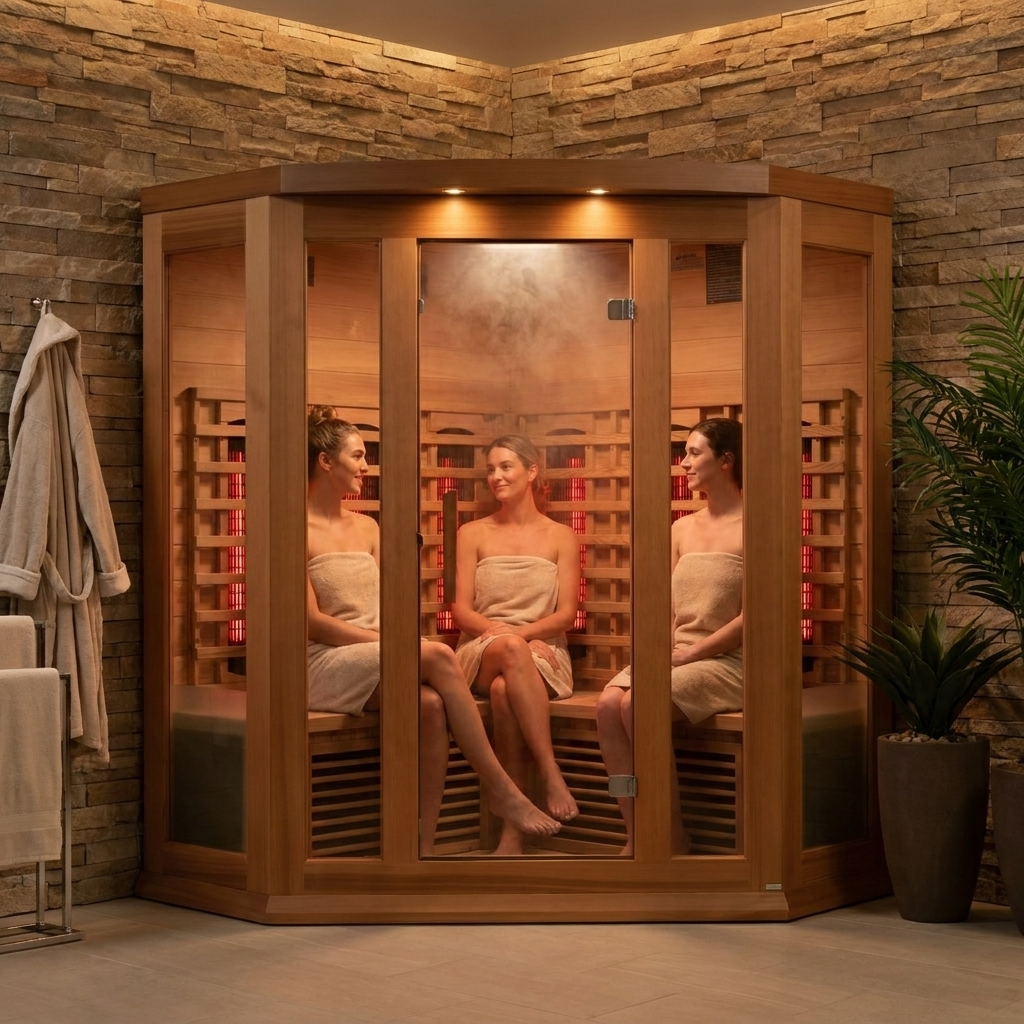

Understanding sauna heat isn't just about tolerating high temperatures-it's about harnessing therapeutic warmth to transform your health, recovery, and daily wellness routine. The right sauna heat creates an environment where your body responds with improved circulation, deeper relaxation, and natural detoxification. Whether you're exploring infrared technology or traditional sauna methods, mastering temperature control unlocks benefits that extend far beyond the sauna session itself. This guide reveals everything you need to know about optimizing sauna heat for maximum results while maintaining complete safety and comfort.
How Sauna Heat Actually Works in Your Body
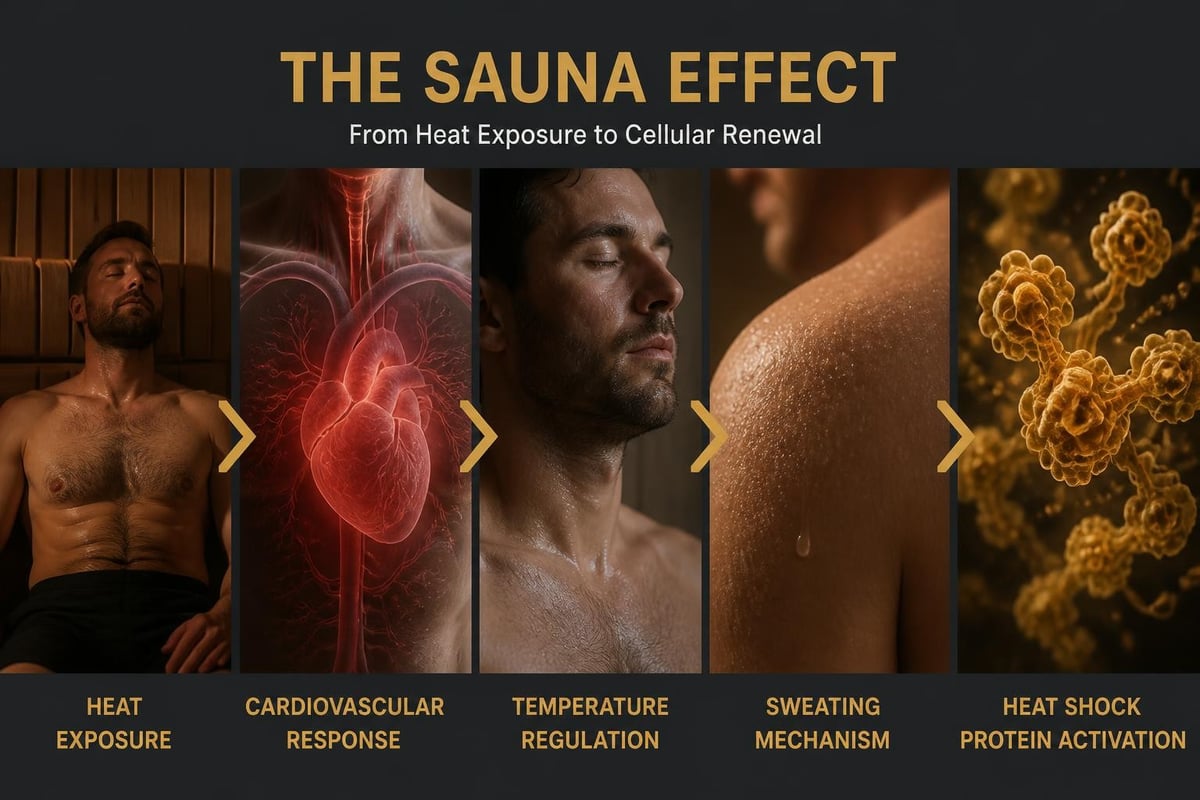
When you step into a sauna environment, your body immediately begins responding to the thermal stress. Sauna heat triggers a cascade of physiological changes that begin with your skin temperature rising and progress to core body temperature elevation.
Your heart rate increases as blood vessels dilate, sending more blood to your skin's surface to regulate internal temperature. This cardiovascular response mirrors moderate exercise, which explains why research from Harvard Health shows that regular sauna use can support heart health and improve circulation patterns.
Key physiological responses to sauna heat include:
- Increased heart rate (100-150 beats per minute)
- Elevated skin temperature (up to 104°F)
- Core body temperature rise (up to 102°F)
- Vasodilation and improved blood flow
- Activation of heat shock proteins
- Enhanced metabolic activity
The sweating mechanism activates as your body works to maintain thermal equilibrium. This natural cooling process through perspiration becomes one of the most visible signs that sauna heat is working effectively.
Optimal Temperature Ranges for Different Sauna Types
Not all saunas operate at the same temperature levels, and understanding these differences helps you choose the right experience for your wellness goals. Traditional dry saunas and infrared saunas use fundamentally different approaches to delivering therapeutic heat.
Traditional Sauna Temperature Guidelines
Traditional Finnish saunas generate intense ambient heat that warms the air around you. The sauna heat in these environments typically ranges from 150°F to 195°F, with humidity levels kept intentionally low (10-20%) to make the extreme temperatures tolerable.
Most users find their comfort zone between 160°F and 180°F, though experienced sauna enthusiasts may prefer temperatures approaching 200°F for shorter sessions. The dry sauna heat creates rapid skin heating and profuse sweating within minutes.
Infrared Sauna Heat Characteristics
Infrared saunas operate at significantly lower temperatures-typically between 120°F and 150°F-because they use radiant heat that penetrates directly into your body rather than heating the surrounding air. This makes the sauna heat feel gentler while still delivering profound therapeutic effects.
| Sauna Type | Temperature Range | Humidity Level | Heat Method |
|---|---|---|---|
| Traditional Dry | 150°F - 195°F | 10% - 20% | Convection heating |
| Infrared | 120°F - 150°F | 5% - 10% | Radiant heat waves |
| Steam Room | 110°F - 120°F | 100% | Steam generation |
The lower temperature infrared sauna heat allows for longer, more comfortable sessions while the deep-penetrating wavelengths work on muscles and tissues. Many people who find traditional sauna heat overwhelming discover that infrared saunas provide all the benefits without the intense ambient heat.
Health Benefits Activated by Proper Sauna Heat Exposure
The therapeutic power of sauna heat extends across multiple body systems when you maintain appropriate temperature exposure. Regular sessions create cumulative benefits that compound over time, making sauna use a valuable addition to any wellness routine.
Cardiovascular improvements top the list of sauna heat benefits. As noted by the Cleveland Clinic's analysis of sauna benefits, the heat stress mimics cardiovascular exercise, strengthening your heart and improving vascular function. Blood pressure may decrease temporarily after sessions, and long-term users often experience sustained cardiovascular improvements.
Muscle recovery accelerates under controlled sauna heat conditions. The increased blood flow delivers more oxygen and nutrients to tired muscles while helping flush metabolic waste products. Athletes and fitness enthusiasts use post-workout sauna sessions to reduce soreness and speed recovery between training sessions.
Detoxification Through Heat-Induced Sweating
Deep sweating triggered by sauna heat provides one of the body's natural detoxification pathways. While your kidneys and liver handle most detoxification work, sweating allows elimination of certain compounds through the skin.
- Heavy metals (lead, mercury, cadmium)
- BPA and other environmental chemicals
- Metabolic waste products
- Excess sodium and water retention
The profuse sweating induced by optimal sauna heat creates elimination that complements your body's other detox systems. Sessions lasting 20-40 minutes generate the most significant sweating response.
Mental Health and Stress Reduction
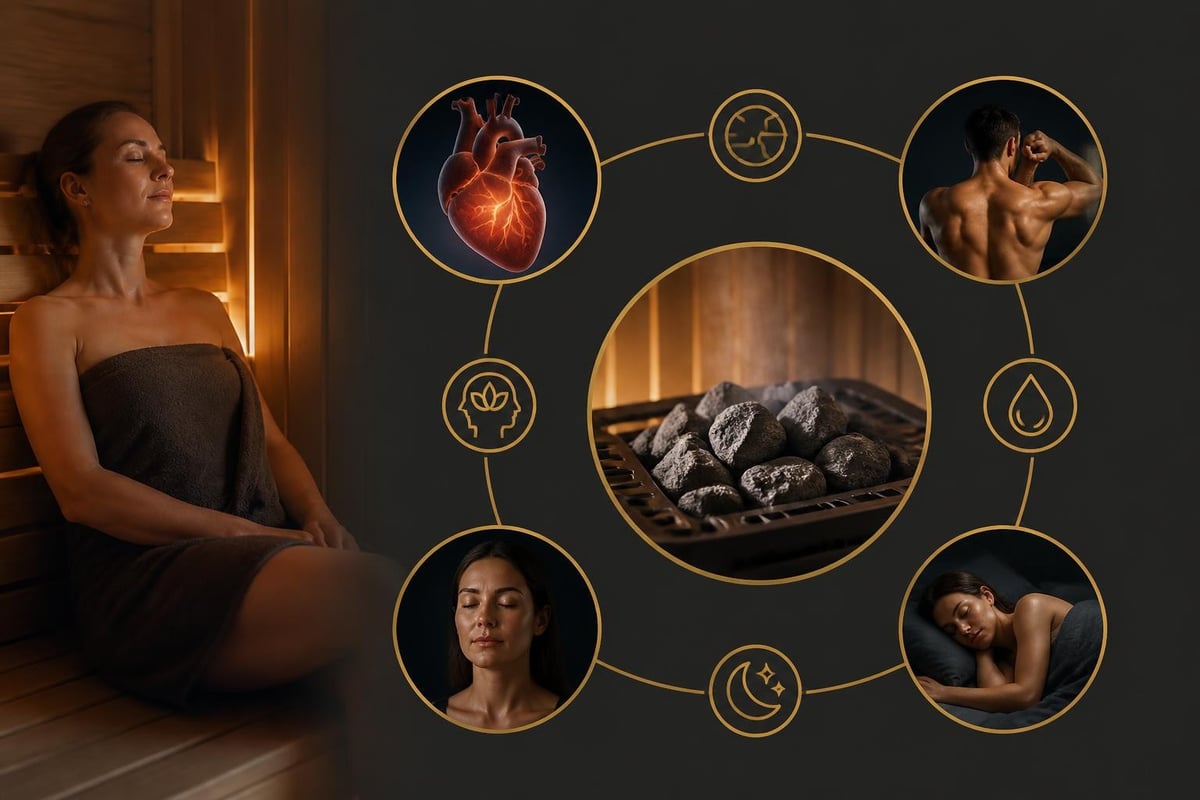
Sauna heat creates a forced relaxation environment where your nervous system shifts from sympathetic (fight-or-flight) to parasympathetic (rest-and-digest) dominance. The warmth triggers endorphin release, creating natural mood elevation and stress relief.
Regular exposure to sauna heat has been associated with reduced anxiety, improved sleep quality, and better overall mental wellbeing. The quiet, warm environment provides a technology-free space for meditation, breathing exercises, or simple mental decompression.
Temperature Control Strategies for Maximum Safety
Managing sauna heat properly means balancing therapeutic benefits with safety considerations. Your body needs adequate time to adapt to thermal stress, especially if you're new to sauna use or returning after a break.
Start with conservative temperatures and shorter sessions. New users should begin at the lower end of the recommended range-around 130°F for infrared saunas or 150°F for traditional saunas-and limit initial sessions to 10-15 minutes.
Progressive Heat Adaptation Protocol
Your heat tolerance builds over 2-4 weeks of consistent use. This adaptation allows you to gradually increase either temperature or session duration, but never both simultaneously.
Week-by-week progression for beginners:
- Week 1: 130°F, 10-12 minutes, 3 sessions
- Week 2: 135°F, 12-15 minutes, 4 sessions
- Week 3: 140°F, 15-20 minutes, 4-5 sessions
- Week 4: 145°F, 20-25 minutes, 5-6 sessions
This graduated approach lets your cardiovascular system and thermoregulatory mechanisms adapt safely. According to Healthline's sauna usage guidelines, listening to your body remains the most important safety principle regardless of temperature settings.
Hydration Requirements at Different Heat Levels
Sauna heat accelerates fluid loss through sweating, making hydration critically important. The higher the temperature and longer the session, the greater your fluid replacement needs become.
Pre-hydrate with 16-20 ounces of water 30 minutes before your session. During the session, sip water if needed, though many people prefer to wait until afterward. Post-session, drink 20-32 ounces of water or electrolyte beverages to fully restore hydration status.
Full Spectrum vs Far Infrared Sauna Heat Delivery
The type of infrared wavelengths used dramatically impacts how sauna heat penetrates and affects your body. Understanding these differences helps you choose the right infrared technology for your specific wellness goals.
Far infrared (FIR) wavelengths penetrate deepest, reaching 1.5-2 inches into tissues. This sauna heat targets muscles, joints, and internal organs, making FIR particularly effective for pain relief, circulation improvement, and deep tissue warming. Most low EMF saunas use far infrared as their primary heat source.
Near infrared (NIR) operates at shorter wavelengths that primarily affect the skin's surface. This sauna heat supports skin health, wound healing, and cellular energy production. NIR doesn't penetrate as deeply but offers unique benefits for skin rejuvenation and surface-level therapeutic effects.
Mid infrared (MIR) wavelengths fall between near and far, penetrating moderately to support circulation and cardiovascular conditioning. Mid infrared sauna heat complements both near and far wavelengths in full spectrum systems.
| Wavelength Type | Penetration Depth | Primary Benefits | Ideal For |
|---|---|---|---|
| Near (NIR) | 0.1-0.5 inches | Skin health, cellular energy | Anti-aging, wound healing |
| Mid (MIR) | 0.5-1.5 inches | Circulation, pain relief | Heart health, inflammation |
| Far (FIR) | 1.5-2 inches | Deep tissue, detox | Muscle recovery, chronic pain |
Full spectrum infrared saunas combine all three wavelengths, allowing you to experience the complete range of infrared sauna heat benefits in a single session. This comprehensive approach addresses surface-level wellness, cardiovascular support, and deep tissue therapy simultaneously.
Common Temperature Mistakes That Reduce Results
Many sauna users unknowingly sabotage their results by mismanaging sauna heat in ways that reduce effectiveness or create safety concerns. Avoiding these common errors ensures you get maximum benefit from every session.
Starting too hot, too fast ranks as the number one mistake. Jumping immediately to maximum temperatures before your body adapts creates discomfort and may force you to exit prematurely. The therapeutic benefits of sauna heat accumulate during the session, so shorter sessions at extreme temperatures deliver less benefit than longer sessions at moderate heat.
Inconsistent temperature monitoring causes problems in home saunas without reliable thermometers. Sauna heat can vary significantly within the cabin, with temperatures near the ceiling often 20-30 degrees higher than floor level. Always measure temperature at seated head height where you'll actually experience the heat.
Ignoring Individual Heat Tolerance Variations
Your optimal sauna heat differs from others based on age, fitness level, medical conditions, and heat acclimatization status. A temperature perfect for an experienced user might overwhelm someone new to sauna therapy.
People over 65, individuals with cardiovascular conditions, and those taking certain medications may need to use lower temperatures regardless of experience level. Medical News Today's sauna guide emphasizes consulting healthcare providers before beginning sauna use if you have pre-existing health conditions.
Session Timing Errors
Duration matters as much as temperature. Many users either exit too quickly (missing cumulative heat benefits) or stay too long (risking dehydration and overheating). The sauna heat needs adequate time to elevate your core temperature and trigger therapeutic responses, but excessive exposure provides diminishing returns.
Optimal session length varies by temperature:
- 120-130°F: 30-45 minutes
- 135-145°F: 25-35 minutes
- 150-160°F: 20-30 minutes
- 165-180°F: 15-25 minutes
- 185°F+: 10-20 minutes
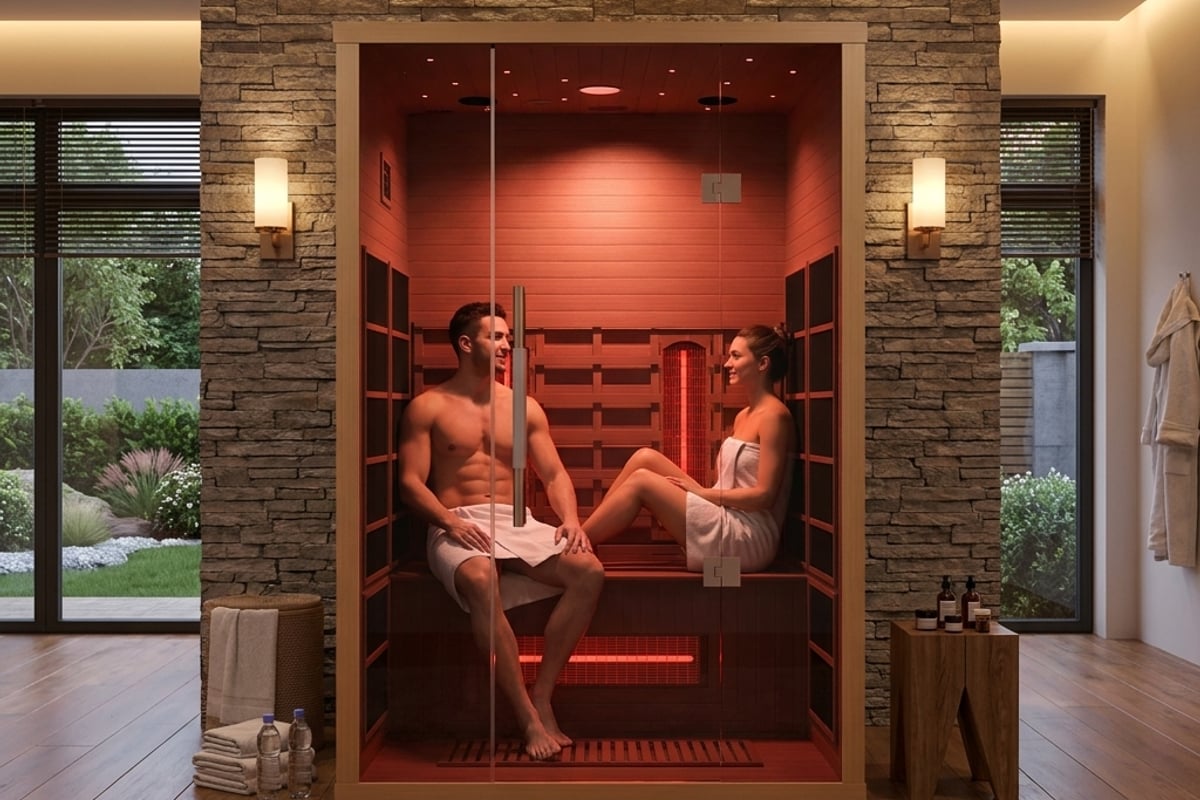
If you're looking for a premium infrared experience with precise temperature control, the Orivon Wellness Lumin 2 Person Infrared Sauna offers spacious comfort with reliable heat delivery. Its Canadian Hemlock construction and modern infrared technology create an ideal environment for consistent wellness sessions.
Advanced Heat Management for Enhanced Performance
Once you've mastered basic sauna heat protocols, advanced techniques can amplify results and customize your experience for specific wellness objectives. These strategies work particularly well for experienced users who have built solid heat tolerance.
Temperature cycling alternates between higher and lower heat levels during a single session. Start at moderate temperatures (140°F), increase to your upper tolerance range (155°F) for 8-10 minutes, then reduce back down for recovery periods. This cycling may enhance cardiovascular conditioning and metabolic response.
Heat and cold contrast therapy combines sauna heat exposure with cold plunge immersion. After 15-20 minutes in the sauna, immediately transition to a cold plunge (50-55°F) for 2-3 minutes, then return to the sauna. This powerful protocol maximizes circulation benefits and creates hormetic stress that strengthens adaptive capacity.
Strategic Timing for Different Goals
When you use sauna heat relative to other activities affects the specific benefits you receive. Morning sessions energize and prepare your body for the day ahead, while evening use promotes relaxation and improved sleep quality.
Pre-workout sauna heat (10-15 minutes at moderate temperature) warms muscles and increases blood flow, potentially improving exercise performance and reducing injury risk. Keep these sessions shorter and cooler to avoid depleting energy reserves before training.
Post-workout sauna sessions (20-30 minutes) accelerate recovery by clearing metabolic waste, reducing inflammation, and promoting muscle repair. This timing capitalizes on the already-elevated body temperature from exercise, requiring less time to achieve therapeutic heat levels.
Humidity Adjustments for Heat Perception
Adding controlled humidity to sauna heat dramatically changes how temperatures feel. A splash of water on sauna rocks (in traditional saunas) or a small humidifier (in infrared models) increases heat sensation without raising actual temperature.
Low humidity (10-15%) allows higher temperatures with less perceived intensity. Higher humidity (25-35%) makes moderate temperatures feel more intense while potentially enhancing respiratory benefits. Experiment within safe ranges to find your optimal balance.
Safety Protocols and Warning Signs During Heat Exposure
Responsible sauna heat management means recognizing when your body signals it's had enough. Pushing past these warnings can lead to heat exhaustion, dehydration, or more serious complications.
Immediate exit signals require you to end your session without delay:
- Dizziness or lightheadedness
- Nausea or stomach discomfort
- Rapid, irregular heartbeat
- Difficulty breathing
- Headache or mental confusion
- Skin that stops sweating despite continued heat
These symptoms indicate your thermoregulatory system is overwhelmed. Exit the sauna heat, move to a cool environment, drink water, and rest until symptoms completely resolve. GoToSauna's safety guidelines emphasize never ignoring these warning signs.
Medical Conditions Requiring Modified Heat Protocols
Certain health conditions necessitate temperature adjustments or medical clearance before sauna use. Sauna heat affects cardiovascular function, blood pressure, and fluid balance in ways that may interact with existing conditions or medications.
Consult your physician before using sauna heat if you have:
- Heart disease or recent cardiac events
- Uncontrolled high or low blood pressure
- Pregnancy (especially first trimester)
- Recent surgery or open wounds
- Kidney disease
- Multiple sclerosis or heat-sensitive conditions
Medications including diuretics, beta-blockers, and anticholinergics may alter your response to sauna heat. Your healthcare provider can recommend appropriate temperature limits and session modifications.
Fire Safety and Equipment Maintenance
Proper sauna heat management includes equipment safety to prevent fire hazards. According to The Hanover Insurance Group's sauna fire safety guidelines, regular maintenance and correct installation prevent most sauna-related fires.
Never leave heating elements unattended during operation. Ensure adequate clearance between heaters and all combustible materials. Keep the sauna area free from towels, clothing, or other items that could contact hot surfaces. Install smoke detectors near (but not inside) the sauna cabin.

Customizing Heat Settings for Specific Health Goals
Different therapeutic objectives respond best to specific sauna heat parameters. Tailoring temperature, duration, and frequency to your primary wellness goals optimizes results while maintaining safety.
Cardiovascular conditioning benefits from moderate-high temperatures (155-175°F in traditional saunas, 140-150°F in infrared) with 20-25 minute sessions, 4-5 times weekly. This protocol creates sufficient cardiovascular stress to strengthen heart function and improve circulation patterns over time.
Pain management and muscle recovery respond well to infrared sauna heat at 135-145°F for 30-40 minutes. The deep-penetrating wavelengths target inflamed tissues while promoting blood flow to accelerated healing. Daily sessions provide optimal results for chronic pain conditions.
Detoxification-Focused Protocols
Maximizing detoxification through sauna heat requires longer sessions at temperatures high enough to produce profuse sweating. Aim for 25-35 minutes at 145-160°F, ensuring you maintain hydration throughout.
Pre-session dry brushing and light exercise may enhance toxin mobilization before sauna heat exposure. Post-session showering removes toxins from skin surfaces, preventing reabsorption.
Weight Management Support
While sauna heat alone doesn't create sustainable weight loss, it supports weight management goals when combined with proper nutrition and exercise. The temporary water weight loss (1-3 pounds per session) quickly returns with rehydration, but the metabolic boost and stress reduction contribute to long-term success.
Use moderate temperatures (140-150°F) for 20-30 minutes, 3-4 times weekly. Focus on consistency rather than extreme heat exposure. The sauna heat complements other healthy lifestyle factors rather than replacing them.
Maintaining Consistent Heat Performance in Home Saunas
Home sauna ownership brings therapeutic heat to your daily routine, but maintaining consistent temperature performance requires attention to several factors. Proper setup and regular maintenance ensure your sauna heat remains effective year after year.
Electrical supply directly impacts heating capacity. Most infrared saunas require standard 120V outlets, while larger traditional saunas may need 240V dedicated circuits. Insufficient power creates longer preheating times and inability to reach target temperatures.
Insulation quality affects how efficiently your sauna retains heat. Premium luxury infrared saunas feature superior insulation that maintains consistent temperatures with less energy consumption. Check door seals, wall insulation, and corner joints annually to prevent heat loss.
Preheating Strategies for Optimal Sessions
Proper preheating ensures sauna heat reaches therapeutic levels before you enter. Infrared saunas typically require 10-15 minutes of preheating, while traditional saunas may need 20-30 minutes.
Temperature consistency matters more than peak temperature. A sauna that maintains steady 145°F throughout your session delivers better results than one that fluctuates between 140°F and 155°F.
Seasonal Adjustments for Heat Management
Ambient temperature affects sauna performance. Summer installation in warm climates may require lower temperature settings to achieve the same perceived heat intensity as winter sessions. Your sauna heat system works harder in cold weather to maintain target temperatures.
Placement considerations include:
- Indoor locations: More stable temperatures year-round
- Basement installations: Naturally cooler, requiring longer preheat
- Garage saunas: Subject to seasonal temperature swings
- Outdoor cabins: Maximum temperature variation, highest energy use
Monitor your actual in-cabin temperature rather than relying solely on control panel settings, as external conditions influence final heat levels.
The Science Behind Infrared Wavelengths and Heat Penetration
Understanding how different infrared wavelengths generate sauna heat explains why infrared technology delivers unique benefits compared to traditional convection heating. The electromagnetic spectrum includes various wavelengths, each interacting differently with human tissue.
Infrared energy transfers heat through electromagnetic radiation rather than heating air molecules. When infrared wavelengths contact your skin, they convert to thermal energy at specific tissue depths based on wavelength length. This direct tissue heating creates the sauna heat sensation without requiring extremely hot ambient air.
Near infrared (0.7-1.4 microns) penetrates minimally but energizes cells and supports ATP production. This shorter wavelength sauna heat primarily benefits skin health, collagen production, and wound healing at the surface level.
Mid infrared (1.4-3 microns) penetrates deeper to affect soft tissues, improving circulation and reducing inflammation. This medium-penetration sauna heat supports cardiovascular function and promotes oxygen delivery throughout the body.
Far infrared (3-1000 microns) achieves the deepest penetration, reaching muscles, joints, and organs. Most therapeutic sauna heat benefits come from far infrared exposure, which triggers detoxification, pain relief, and deep relaxation responses.
The combination of wavelengths in full spectrum systems provides comprehensive benefits, though far infrared alone delivers most classic sauna heat therapy effects. Choose your infrared technology based on which wavelengths align best with your primary wellness objectives.
Mastering sauna heat transforms this ancient wellness practice into a precisely controlled therapeutic tool that delivers measurable health benefits. When you understand optimal temperatures, respect safety protocols, and customize sessions for your specific goals, every sauna experience becomes an investment in your long-term wellbeing. Whether you're exploring your first home sauna or optimizing an existing routine, I N F R I U M offers premium infrared saunas, expert guidance, and comprehensive support to help you create the perfect home wellness sanctuary. Start your journey toward better health with professional-grade equipment, fast nationwide shipping, and the knowledge you need to maximize every therapeutic session.
Share:
SereneLife Portable Sauna: Complete Buyer's Guide 2026
Infrared Sauna Near Me: Your 2026 Buyer's Guide