

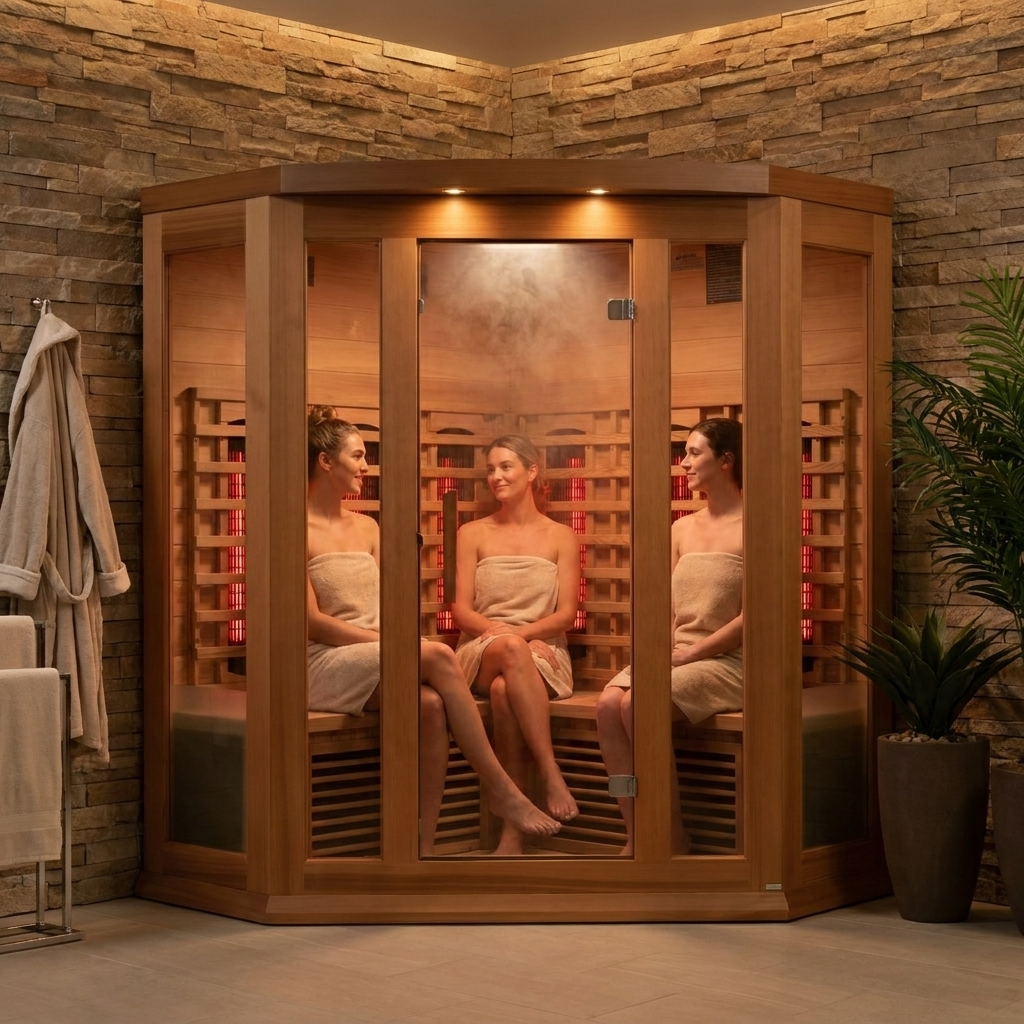
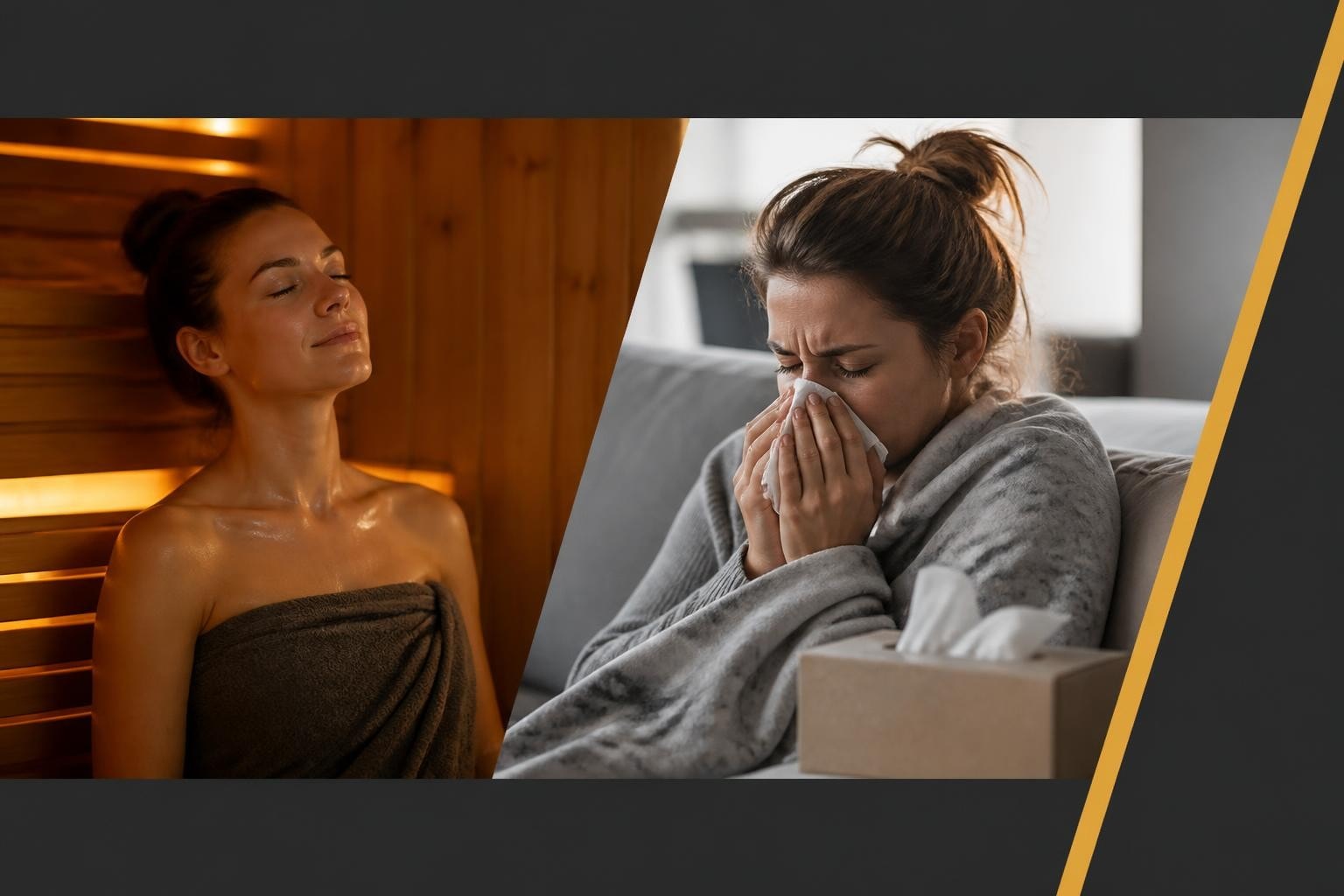
When cold season hits and you're battling sniffles, congestion, and that all-over exhaustion, the idea of settling into your infrared sauna might sound incredibly appealing. The warmth promises relief, the heat might loosen that stubborn congestion, and you've probably heard people swear they can "sweat out" a cold. But is combining a sauna and a cold actually beneficial, or could it make things worse? The answer requires understanding how your body responds to both illness and heat therapy, and knowing exactly when to step into that warm cabin and when to stay out.
Understanding How Your Body Fights a Cold
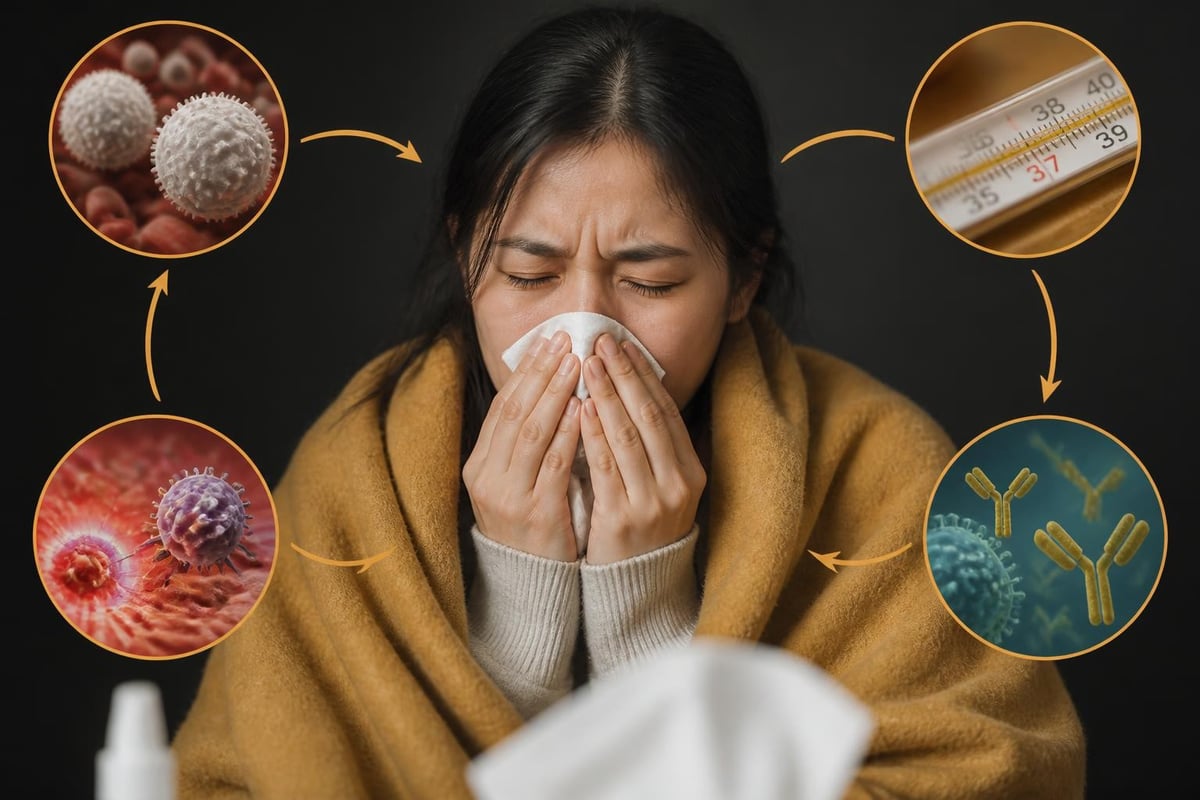
Your immune system launches a sophisticated defense the moment cold viruses enter your body. White blood cells multiply rapidly, inflammatory responses kick in, and your body temperature may rise slightly as part of this coordinated attack.
This natural fever response serves a critical purpose. Higher body temperatures create an inhospitable environment for viruses while accelerating immune cell activity. Your body knows what it's doing.
Key immune responses during a cold include:
- Increased production of white blood cells and antibodies
- Elevated mucus production to trap and expel pathogens
- Inflammation in nasal passages and throat tissues
- Mild temperature increases in some cases
- Fatigue signals that encourage rest and recovery
The question becomes whether adding external heat through sauna use supports or interferes with these natural processes. Research suggests the answer depends heavily on timing, severity, and individual health status.
The Science Behind Sauna and a Cold
Multiple studies have examined the relationship between regular sauna use and cold prevention, with some promising findings. A landmark German study found that people who used saunas regularly experienced fewer colds over a six-month period compared to non-sauna users.
However, using a sauna after you're already sick presents a different scenario entirely. Research on sauna benefits during illness shows that while heat exposure can provide temporary symptom relief, it doesn't replicate the precise fever response your body creates naturally.
What Happens During Sauna Sessions
When you sit in an infrared sauna, your core body temperature rises gradually. Blood vessels dilate, circulation increases, and you begin sweating as your body works to cool itself. This process mimics some aspects of fever but lacks the targeted immune signaling that accompanies natural fever.
| Body Response | Natural Fever | Sauna Heat |
|---|---|---|
| Core temperature rise | Controlled by immune system | External heat source |
| Immune cell activation | Highly targeted | General stress response |
| Duration control | Self-regulating | User-controlled |
| Energy expenditure | Minimal additional drain | Requires cardiovascular effort |
The critical difference lies in how these temperature increases occur and what signals they send to your immune system.
When Sauna Use May Help Cold Symptoms
For mild cold symptoms without fever, short sauna sessions can provide genuine relief. The heat helps open nasal passages, thins mucus, and temporarily eases congestion in ways that feel immediately beneficial.
Potential benefits for mild cold symptoms:
- Temporary relief from nasal and chest congestion
- Improved breathing through dilated airways
- Muscle relaxation if body aches are present
- Mental stress reduction during illness
- Promotion of restful sleep after sessions
Many people find that the experience of sitting in warm, dry heat helps them feel better psychologically even if it's not directly fighting the virus. Understanding whether you can sweat out a cold reveals that while sweating doesn't eliminate the virus, the comfort and temporary symptom relief can support your overall recovery experience.
Best Practices for Mild Cold Symptoms
If you decide to use your infrared sauna with mild cold symptoms, strategic timing and modified sessions make all the difference. Sessions should be shorter, temperatures should be lower, and hydration becomes even more critical than usual.
Limit sessions to 10-15 minutes rather than your typical 20-30 minute routine. Keep temperatures between 120-140°F instead of pushing toward higher ranges. Listen carefully to how your body responds and exit immediately if you feel dizzy, excessively fatigued, or uncomfortable.
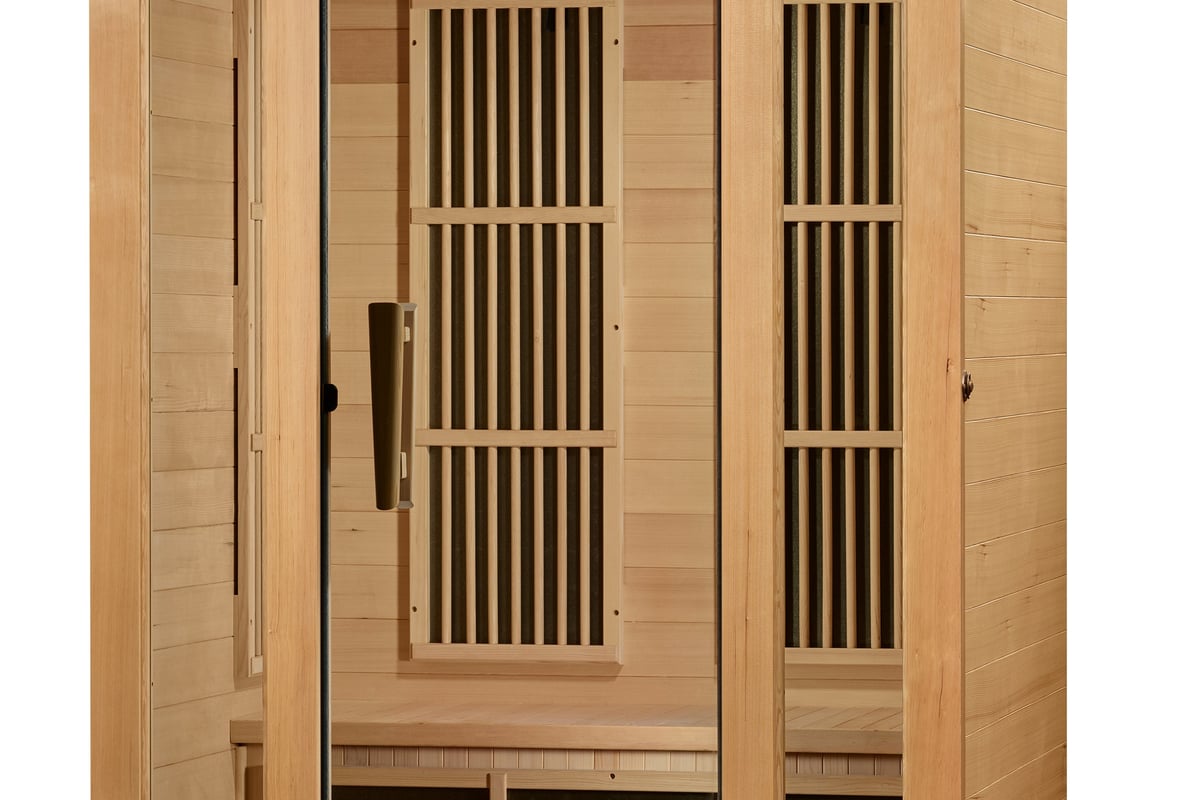
Premium home saunas like the Maxxus Seattle 2 Person Near Zero EMF FAR IR Sauna offer precise temperature control that lets you customize heat levels for gentle sessions during recovery. The near-zero EMF technology ensures you're not adding unnecessary electromagnetic exposure when your body is already working hard to heal.
When to Absolutely Avoid Sauna and a Cold
Certain situations make sauna use during a cold not just ineffective but potentially dangerous. The most important rule: never use a sauna when you have a fever. If your temperature is elevated above 100.4°F, your body is already working overtime to fight infection, and adding external heat creates serious risks.
High-Risk Scenarios for Sauna Use
- Active fever present - Additional heat stress can push body temperature to dangerous levels
- Severe symptoms - High fever, difficulty breathing, chest pain, or extreme weakness
- Dehydration - Already compromised fluid levels from illness
- Dizziness or lightheadedness - Indicates your body is struggling with basic regulation
- Multiple days into illness - When viral load is highest and immune system most stressed
Expert guidance on sauna use during illness emphasizes that heat exposure during fever can lead to dangerous dehydration, cardiovascular strain, and impaired immune function. Your body needs all available resources to fight infection, not to manage additional thermal stress.
The cardiovascular system faces particular challenges during illness. Your heart already beats faster to support immune responses and maintain circulation. Adding sauna heat forces it to work even harder, potentially creating dangerous strain.
Hydration Strategies During Recovery
Whether you choose to use your sauna during mild cold symptoms or wisely wait until recovery, hydration determines how well your body handles both illness and heat exposure. Cold viruses increase fluid loss through mucus production, elevated breathing rates, and mild fever responses.
Dehydration during a cold slows mucus clearance, thickens respiratory secretions, and makes you feel significantly worse. Adding sauna-induced sweating to this equation without aggressive hydration creates a perfect storm for severe dehydration.
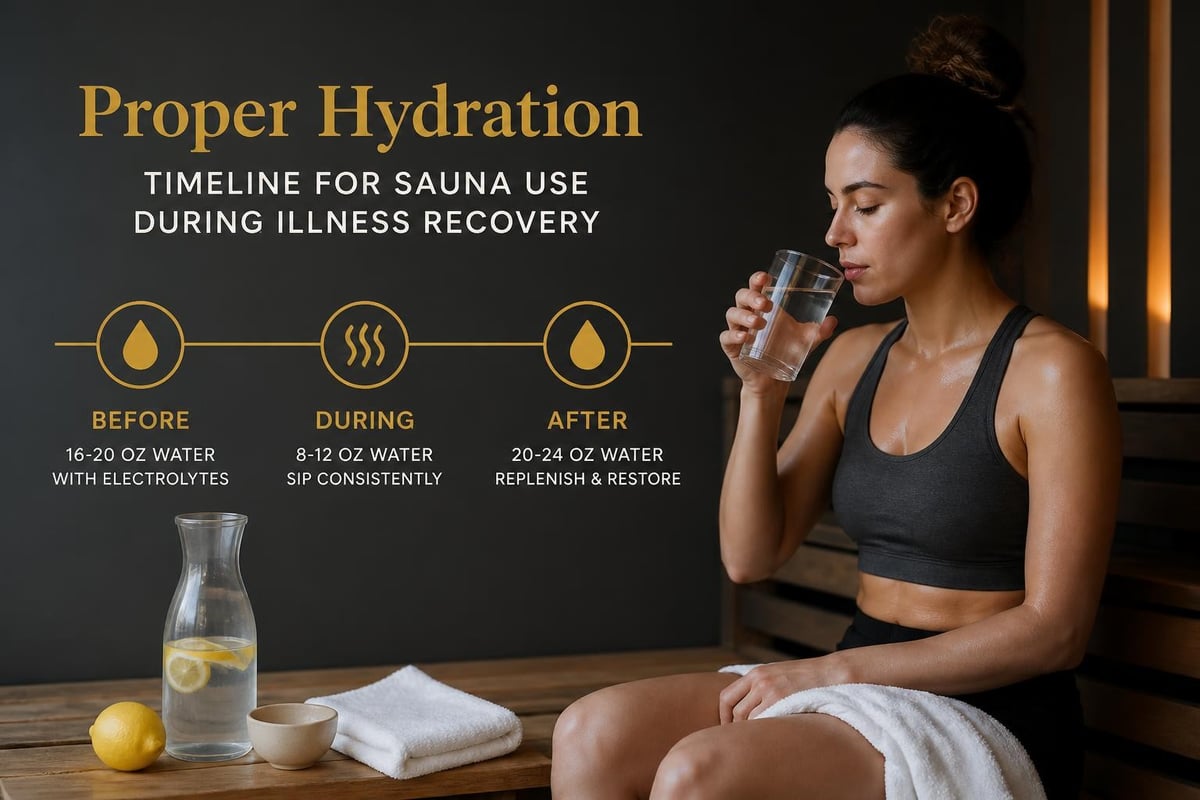
Pre-sauna hydration protocol during mild illness:
- Drink 16-20 oz of water 30 minutes before entering
- Add electrolyte supplements to maintain mineral balance
- Avoid caffeine or alcohol which increase dehydration
- Consider adding vitamin C-rich beverages for immune support
- Monitor urine color to assess hydration status
During and after your session, continue drinking water at regular intervals. Clear or pale yellow urine indicates adequate hydration, while dark yellow or amber signals you need more fluids immediately.
Alternative Recovery Strategies
If you're in the "wait it out" phase of your cold, several evidence-based strategies support recovery without the risks associated with sauna and a cold combinations. These approaches work with your immune system rather than potentially stressing it further.
Steam Therapy vs. Dry Sauna Heat
Traditional steam rooms offer different benefits than infrared saunas during respiratory illness. Research comparing steam and dry heat suggests that humid heat may provide more effective congestion relief for some people, though it doesn't shorten illness duration.
| Recovery Method | Primary Benefit | Best Used When |
|---|---|---|
| Rest | Allows immune focus | Throughout illness |
| Hydration | Supports all body systems | Constantly |
| Humidifier | Eases breathing | Sleeping hours |
| Warm liquids | Soothes throat, thins mucus | Multiple times daily |
| Light movement | Maintains circulation | Mild symptoms only |
| Proper nutrition | Fuels immune response | When appetite allows |
Your home infrared sauna collection will be ready when you are, but sometimes the best wellness decision is patience. Recovery isn't about forcing your body through treatments but creating optimal conditions for natural healing.
Preventive Sauna Use for Cold Season
The most compelling research on sauna and a cold relationships focuses on prevention rather than treatment. Regular sauna users in long-term studies showed statistically significant reductions in cold frequency and severity compared to non-users.
This preventive effect likely stems from multiple mechanisms. Regular heat exposure may strengthen cardiovascular function, improve circulation, and potentially enhance immune cell activity. The stress-reducing effects of routine sauna practice also support immune health indirectly.
Evidence-based prevention strategies:
- Consistent sauna sessions 2-4 times weekly during cold season
- Maintaining adequate vitamin D levels through fall and winter
- Prioritizing sleep quality and duration
- Managing stress through regular wellness practices
- Supporting immune function with proper nutrition
Building a consistent home wellness routine throughout the year may prove more valuable than trying to use your sauna reactively once illness strikes. The body responds best to regular, sustained wellness practices rather than emergency interventions.
Creating Your Prevention Protocol
Start your preventive sauna routine before cold season peaks. In most regions, that means beginning regular sessions in late summer or early fall, building the habit before November through March when cold viruses circulate most actively.
For prevention, longer sessions at moderate temperatures work well. Twenty to thirty minutes at 130-150°F allows your body to reach beneficial core temperature elevation without excessive stress. This regular practice appears to condition your cardiovascular and immune systems for enhanced resilience.
Post-Cold Recovery and Returning to Normal Sessions
Once your cold symptoms fully resolve and you've been fever-free for at least 24-48 hours, you can gradually return to normal sauna use. Don't jump immediately back to your longest, hottest sessions. Your body has been through a battle and needs gentle reintroduction.
Start with sessions 30-50% shorter than your pre-illness routine. If you normally spent 30 minutes in your sauna, begin with 15-minute sessions and assess how you feel. Watch for unusual fatigue, dizziness, or any symptom recurrence.
Graduated return to regular sauna use:
- First session: 50% normal duration at reduced temperature
- Second session: 60% normal duration at reduced temperature
- Third session: 75% normal duration, slightly higher temperature
- Fourth session: Return to normal duration and temperature if feeling strong
- Monitor recovery markers: energy levels, sleep quality, appetite
Research-backed approaches to sauna recovery emphasize patient progression rather than rushing back to intense sessions. Your immune system may remain slightly suppressed for 1-2 weeks after symptoms resolve, making gradual reintroduction the safest strategy.
Special Considerations for Different Sauna Types
Infrared saunas create fundamentally different heat exposure than traditional Finnish saunas or steam rooms. Understanding these differences helps you make better decisions about sauna and a cold combinations based on your specific equipment.
Infrared vs. Traditional Heat During Illness
Infrared wavelengths penetrate tissue more deeply while keeping air temperature lower. This means your core heats more gradually, potentially creating less cardiovascular stress than traditional high-heat saunas. However, the tissue-level heating still demands significant physiological resources.
Full spectrum infrared options combine near, mid, and far infrared wavelengths for comprehensive benefits. During illness, far infrared alone at lower temperatures may provide the gentlest experience if you choose to proceed with modified sessions.
The key advantage of home infrared systems during cold season is complete control. You determine session length, temperature, and timing without the social pressure or fixed schedules of commercial facilities. This flexibility allows you to make real-time decisions based on how you feel moment to moment.
Immune System Support Beyond Heat Therapy
While we focus on the sauna and a cold relationship, comprehensive immune support requires multiple lifestyle factors working together. Heat therapy represents just one tool in a larger wellness strategy.
Sleep quality arguably matters more than any single wellness intervention. During deep sleep, your body produces and deploys the most powerful immune cells, repairs tissue damage, and consolidates learning from the day's immune responses. Practical guidance on using saunas during illness often emphasizes that missing sleep to fit in a sauna session makes no sense from an immune perspective.
Nutrition directly fuels immune cell production and function. Zinc, vitamin C, vitamin D, selenium, and protein all play essential roles in maintaining robust immune responses. No amount of heat exposure compensates for nutritional deficiencies.
Integrated immune support approach:
- Prioritize 7-9 hours of quality sleep nightly
- Maintain consistent meal timing with nutrient-dense foods
- Manage stress through multiple modalities
- Stay physically active with appropriate intensity
- Use sauna and cold exposure strategically for prevention
- Build social connections that support mental health
Long-Term Wellness Space Design
Creating a dedicated home recovery space that includes both heat and cold therapy options represents the ultimate investment in year-round health. The ability to cycle between infrared sauna sessions and cold plunge exposure when healthy provides powerful resilience-building benefits.
When designed thoughtfully, your wellness space becomes a daily refuge that supports prevention, recovery, and overall vitality. Low EMF sauna options ensure minimal electromagnetic field exposure during regular use, important for anyone spending multiple hours weekly in their sauna.
Consider placement that encourages consistent use. Basements, master bathrooms, or dedicated wellness rooms all work well depending on your home layout and lifestyle. The best location is the one where you'll actually use your equipment regularly rather than letting it become an expensive storage shelf.
Combining Heat and Cold Modalities
For those serious about resilience training and recovery optimization, combining sauna and cold plunge creates complementary stress adaptation. However, this practice belongs firmly in the "when healthy" category, not during active illness.
The contrast between hot and cold exposure trains your cardiovascular system, nervous system, and metabolic processes to handle wider ranges of physiological demand. This adaptation may contribute to the cold-prevention benefits seen in regular sauna users, though research on combined heat/cold protocols remains limited.
Understanding the nuanced relationship between sauna and a cold empowers you to make smart decisions that support rather than stress your immune system. While infrared heat therapy offers remarkable benefits for prevention and general wellness, timing and symptom severity determine whether it helps or hinders during actual illness. When you're ready to build a comprehensive home wellness space that supports your health goals throughout every season, I N F R I U M provides carefully selected infrared saunas, cold plunge systems, and recovery equipment with expert guidance to help you create your ideal setup. Our premium collection includes low EMF and full spectrum options designed for daily use, backed by fast nationwide shipping and the support you need to invest confidently in long-term wellness.
Share:
Higher Dose Sauna: Benefits & Smart Buying Guide 2026
Red Light Therapy Sauna: Complete Guide for 2026