

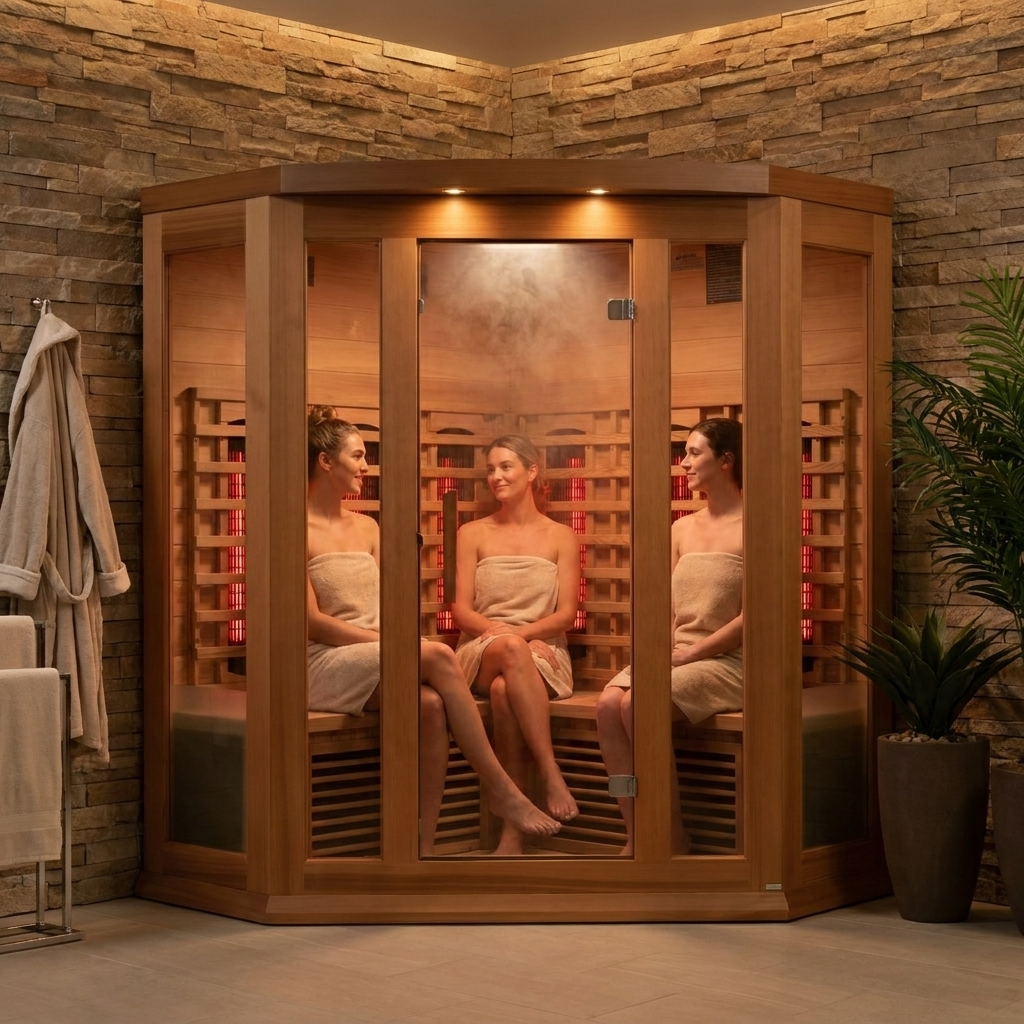
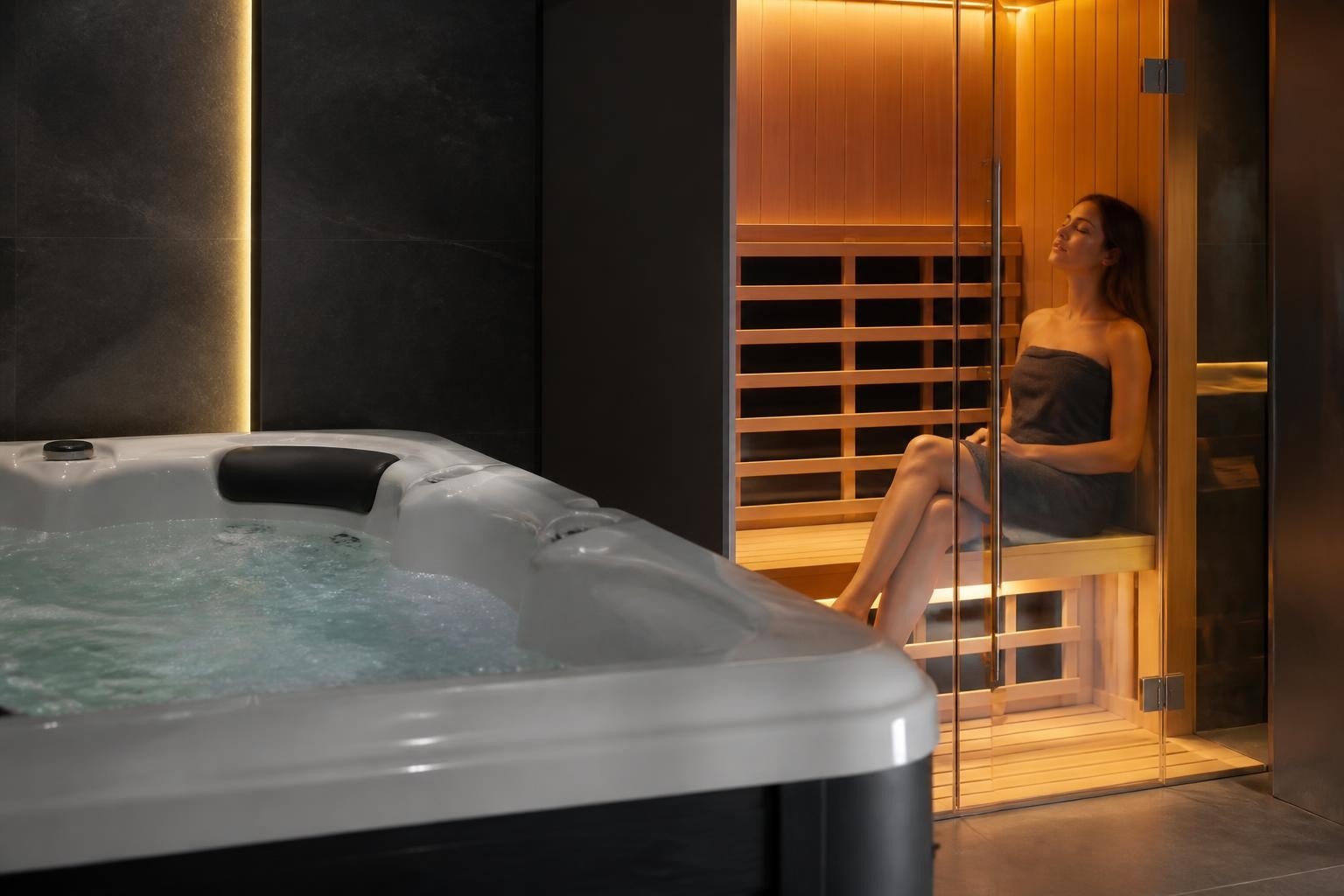
The concept of a jacuzzi infrared sauna represents the convergence of two powerful wellness modalities that homeowners are increasingly seeking for their personal recovery spaces. While a traditional Jacuzzi brand hot tub delivers hydrotherapy through heated water and massage jets, an infrared sauna provides dry heat therapy that penetrates deep into muscle tissue. Understanding how these complementary systems work together can transform your approach to home wellness, whether you're designing a dedicated recovery room or maximizing a compact space for therapeutic benefits. Smart homeowners are discovering that combining both modalities creates a comprehensive wellness routine far more effective than either system alone.
Understanding the Jacuzzi Infrared Sauna Connection
The term "jacuzzi infrared sauna" doesn't refer to a single product manufactured by Jacuzzi, but rather describes the strategic pairing of hydrotherapy and infrared heat therapy in home wellness spaces.
Jacuzzi is a brand name that has become synonymous with hot tubs and spa experiences, while infrared saunas represent a specific category of dry heat therapy equipment. When homeowners research a jacuzzi infrared sauna, they're typically exploring how to incorporate both water-based and heat-based recovery into their daily routines.
Why Homeowners Pair These Systems
Creating a complete wellness environment requires thinking beyond single-solution approaches. The combination delivers:
- Dual recovery pathways: Water therapy for joint mobility and infrared heat for muscle penetration
- Flexible daily routines: Alternate between systems based on workout intensity or stress levels
- Complementary health benefits: Cardiovascular support from both modalities working in different ways
- Year-round usability: Indoor infrared saunas maintain consistent availability regardless of weather
The potential health benefits of infrared saunas include improved circulation, muscle recovery, and stress reduction, which complement the buoyancy and massage benefits that hydrotherapy provides.
Infrared Sauna Technology vs Traditional Hot Tub Therapy
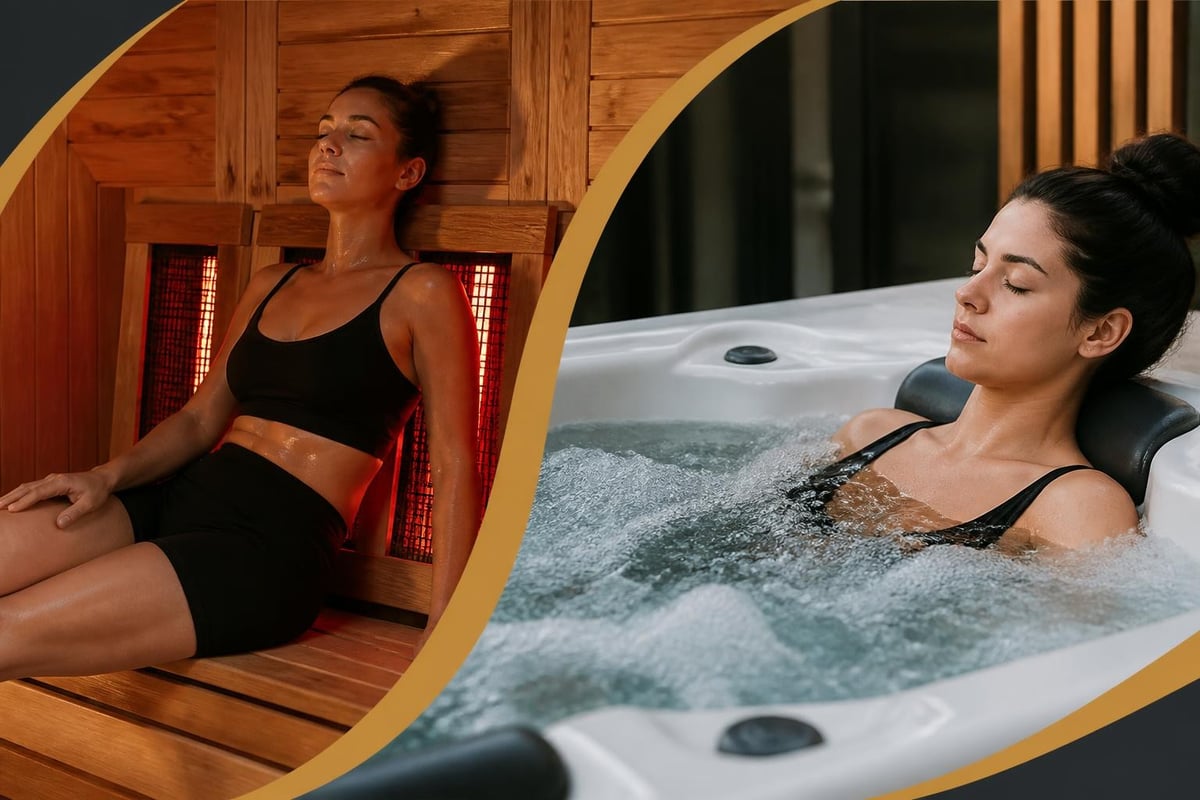
Understanding the fundamental differences between these systems helps homeowners make informed decisions about wellness investments.
Heat Delivery Methods Comparison
| Feature | Infrared Sauna | Jacuzzi Hot Tub |
|---|---|---|
| Heat Type | Dry infrared waves | Heated water |
| Temperature Range | 110-140°F | 100-104°F |
| Session Duration | 20-45 minutes | 15-30 minutes |
| Installation | Indoor, minimal plumbing | Outdoor/indoor, significant plumbing |
| Maintenance | Low (wipe down) | Moderate (chemical balance) |
| Operating Cost | $20-40/month electric | $50-100/month (heating + chemicals) |
Infrared saunas use carbon or ceramic heaters to emit invisible light waves that directly warm your body rather than heating the surrounding air. This creates a comfortable environment where you can breathe easily while still achieving deep therapeutic sweating.
Hot tubs rely on water temperature and jet pressure to deliver therapeutic benefits. The buoyancy reduces pressure on joints while the massage jets target specific muscle groups.
Energy Efficiency Considerations
When evaluating a jacuzzi infrared sauna setup for your home, energy consumption matters significantly. Infrared saunas for home use typically operate on standard 120V or 240V circuits and consume between 1.5 and 3 kW per session.
Hot tubs require continuous heating and filtration, leading to higher baseline energy costs. However, both systems can be operated efficiently with proper insulation and smart usage patterns.
Designing Your Home Wellness Space
Creating a functional wellness area that accommodates both a jacuzzi infrared sauna requires strategic planning.
Space allocation depends on several factors:
- Available square footage: Minimum 80-100 sq ft for a 2-person sauna plus circulation space
- Electrical access: Dedicated circuits for both infrared heating and hot tub pumps
- Ventilation requirements: Proper airflow for sauna operation and humidity control near water features
- Privacy considerations: Window treatments or dedicated room design for comfortable use
The beauty of modern infrared saunas is their flexibility. Unlike built-in steam rooms or traditional saunas requiring extensive construction, prefabricated infrared units can be positioned in master bathrooms, finished basements, or dedicated wellness rooms.
Indoor vs Outdoor Placement Strategy
Indoor infrared sauna advantages:
- Year-round climate control
- No weather exposure or deterioration
- Integration with existing HVAC systems
- Private, controlled environment
Outdoor hot tub benefits:
- No indoor humidity concerns
- Natural ambiance and stargazing opportunities
- Easier maintenance access
- Increased property value
Many homeowners position their infrared sauna indoors while maintaining an outdoor hot tub, creating a wellness circuit that takes advantage of each system's optimal environment. This approach also allows for contrast therapy, moving between hot infrared heat and cooler outdoor air.
Health Benefits of the Combined Approach
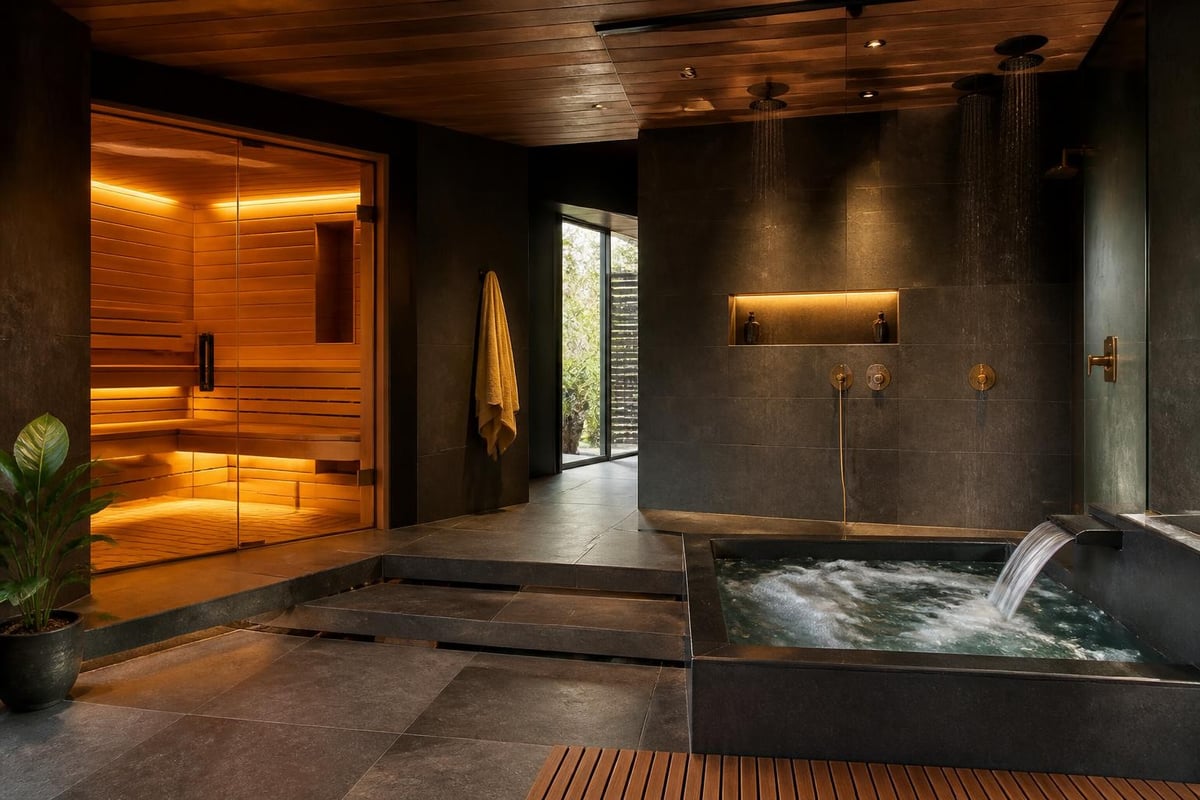
The jacuzzi infrared sauna combination isn't just about luxury. It's about creating multiple pathways for your body to recover, adapt, and thrive.
Cardiovascular System Support
Research on sauna bathing and cardiovascular health demonstrates that regular infrared sauna use may support healthy blood pressure and improved circulation. When combined with the gentle cardiovascular workout provided by hot tub immersion, you create a comprehensive approach to heart health.
The progressive exposure to heat in infrared saunas causes your heart rate to increase similarly to moderate exercise. Hot tub therapy delivers complementary benefits through hydrostatic pressure, which can enhance venous return and support healthy circulation patterns.
Muscle Recovery and Pain Management
Athletes and fitness enthusiasts discover that alternating between infrared heat and hydrotherapy accelerates recovery timelines.
Infrared sauna recovery benefits:
- Deep tissue penetration reaching muscles traditional heat cannot access
- Reduced inflammation markers through consistent use
- Enhanced flexibility as heat relaxes muscle fibers
- Accelerated healing of minor strains and overuse injuries
Hot tub recovery advantages:
- Buoyancy reduces joint compression for active recovery movement
- Targeted jet massage breaks up muscle adhesions
- Warm water immersion reduces perception of pain
- Gentle resistance for rehabilitation exercises
The Cleveland Clinic's analysis of infrared sauna benefits highlights muscle recovery as one of the most documented advantages, particularly for those engaged in regular training programs.
Selecting the Right Infrared Sauna for Your Wellness Plan
When building a jacuzzi infrared sauna wellness environment, choosing the appropriate infrared unit requires understanding your specific needs.
Full Spectrum vs Far Infrared Technology
Not all infrared saunas deliver the same wavelengths. Understanding the spectrum helps match technology to goals.
- Near Infrared (NIR): Shortest wavelengths, primarily benefits skin health and surface-level tissue
- Mid Infrared (MIR): Moderate penetration, supports circulation and muscle relaxation
- Far Infrared (FIR): Deepest penetration, most effective for detoxification and deep muscle therapy
Full spectrum infrared saunas combine all three wavelengths, providing the most comprehensive infrared experience. For homeowners who already have hydrotherapy covered through their hot tub, a full spectrum unit maximizes the distinct benefits infrared technology offers.
Size and Capacity Planning
Your infrared sauna should accommodate your actual usage patterns, not theoretical maximum capacity.
For individuals or couples who will primarily use the space alone, the Orivon Wellness Lumin 2 Person Infrared Sauna provides an ideal balance of comfort and efficiency. Built for modern homes and wellness spaces, this premium unit features a compact footprint that fits easily into apartments, bedrooms, or recovery spaces while still providing spacious interior room for two people to relax comfortably.
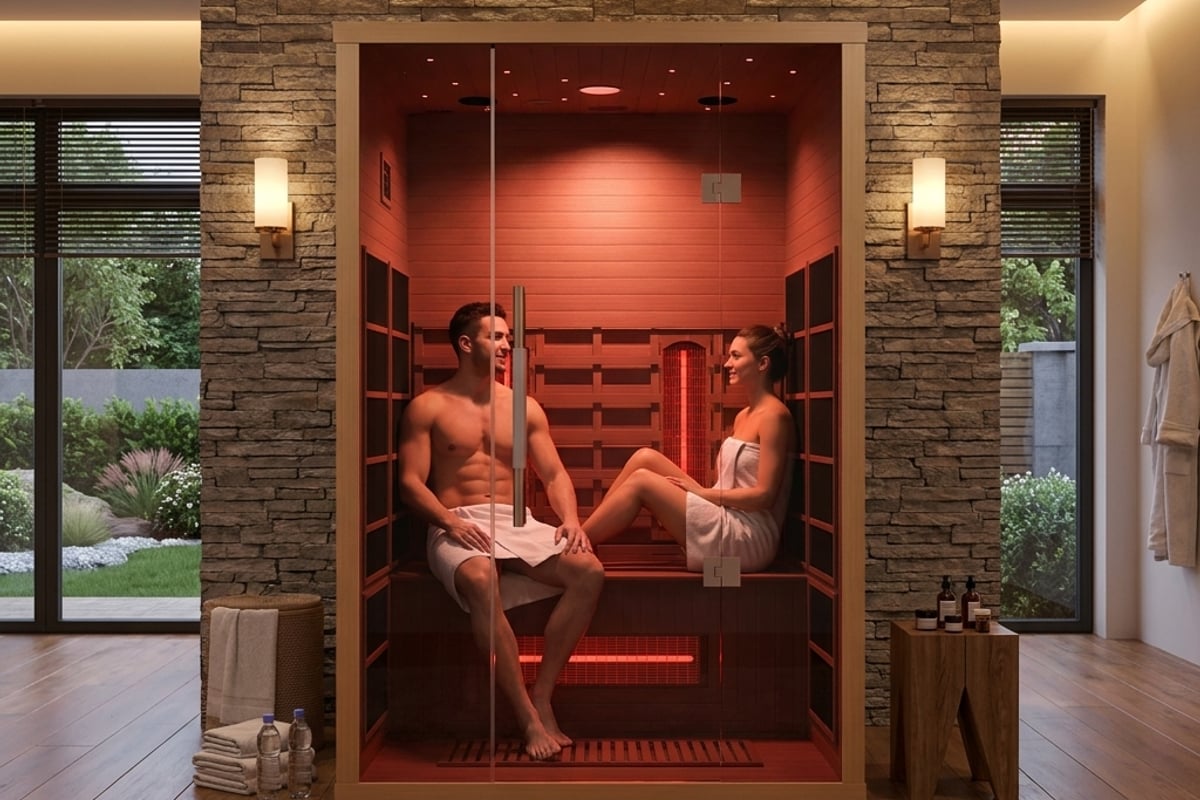
Families or those who envision social wellness sessions should consider 3-4 person models that provide adequate bench space without feeling cramped.
EMF Levels and Safety Standards
Electromagnetic field (EMF) exposure concerns have led to significant improvements in infrared sauna design. Low EMF infrared saunas and near-zero EMF models use advanced heater shielding and strategic placement to minimize exposure during sessions.
When investing in a jacuzzi infrared sauna wellness setup, prioritize manufacturers who provide:
- Third-party EMF testing documentation
- Clear specifications on EMF levels at seated positions
- ETL or UL certification for electrical safety
- Transparent information about heater technology and shielding methods
Creating Effective Wellness Routines
Owning both systems means little without structured routines that maximize their benefits.
Daily Integration Strategies
Morning activation routine:
- 15-minute infrared sauna session to increase circulation and mental clarity
- Cool shower to stimulate alertness
- Light stretching or mobility work
Evening recovery routine:
- 20-minute hot tub session for muscle relaxation
- 25-minute infrared sauna for deep sweating and stress reduction
- Gradual cool-down with hydration
Post-workout protocol:
- Immediate 10-minute hot tub immersion for initial muscle relief
- 30-minute rest period with hydration
- 30-minute infrared sauna session for deep tissue recovery
Contrast Therapy Applications
Advanced users incorporate contrast therapy principles, alternating between heat exposure and cold stimulus. While your jacuzzi infrared sauna setup provides two forms of heat therapy, adding a cold shower or cold plunge system creates powerful physiological responses.
The cycle typically follows:
- 15 minutes infrared sauna exposure
- 2-3 minutes cold immersion
- 5 minutes rest
- Repeat 2-3 cycles
This approach maximizes circulation benefits and can accelerate recovery beyond what heat therapy alone provides.

Safety Considerations and Best Practices
While generally safe for healthy adults, both infrared saunas and hot tubs require responsible use.
Understanding Potential Risks
Infrared sauna safety considerations include heat discomfort, dehydration, low blood pressure, and light-headedness. These risks increase when combining modalities without proper hydration breaks.
Essential safety protocols:
- Hydrate with 16-24 oz of water before each session
- Limit initial sessions to 15-20 minutes until heat-adapted
- Avoid alcohol consumption before or during use
- Listen to your body and exit if experiencing dizziness or nausea
- Shower between hot tub and sauna use to prevent bacterial transfer
Medical Consultation Requirements
Consult healthcare providers before starting a jacuzzi infrared sauna routine if you have:
- Cardiovascular conditions or take blood pressure medications
- Pregnancy or trying to conceive
- Chronic health conditions affecting heat regulation
- Recent surgical procedures or acute injuries
Recent studies, including one highlighted discussing hot tub benefits compared to saunas, suggest different physiological responses to various heat modalities, reinforcing the importance of personalized medical guidance.
Maintenance and Long-Term Ownership
Sustaining your jacuzzi infrared sauna investment requires understanding maintenance demands for both systems.
Infrared Sauna Upkeep
Infrared saunas demand minimal maintenance compared to traditional wet saunas or hot tubs:
- Wipe down benches and walls after each use with a damp towel
- Vacuum or sweep floor weekly
- Check heater panels quarterly for dust accumulation
- Inspect door seals annually for proper closure
- Replace chromotherapy bulbs as needed (typically 2,000+ hours)
Annual operating costs for infrared saunas range from $240-480 based on daily 30-minute sessions at average electricity rates.
Hot Tub Maintenance Requirements
Hot tubs require significantly more attention:
| Task | Frequency | Estimated Time |
|---|---|---|
| Water chemistry testing | 2-3x weekly | 5 minutes |
| Chemical balancing | As needed | 10 minutes |
| Filter cleaning | Bi-weekly | 15 minutes |
| Complete water change | Quarterly | 2-3 hours |
| Cover cleaning | Monthly | 20 minutes |
| Professional service | Annually | Varies |
Budget $600-1,200 annually for chemicals, filter replacements, and professional maintenance. This doesn't include energy costs for heating and circulation.
Investment Analysis and Value Considerations
A jacuzzi infrared sauna wellness setup represents a significant investment. Understanding total cost of ownership helps with decision-making.
Initial Purchase Costs
Quality infrared saunas range:
- 1-2 person models: $1,200-3,500
- 2-3 person models: $2,000-5,000
- 3-4 person premium models: $3,500-8,000
- Luxury and specialty designs: $8,000-15,000+
Hot tub investment range:
- Entry-level portable: $3,000-6,000
- Mid-range quality: $6,000-10,000
- Premium features: $10,000-15,000
- High-end luxury: $15,000-25,000+
Calculating Long-Term Value
Beyond purchase price, evaluate wellness value through these lenses:
- Healthcare cost avoidance: Reduced physical therapy, massage therapy, or pain management expenses
- Convenience premium: In-home access vs gym membership or spa visit costs
- Property value enhancement: Quality wellness amenities typically add 2-5% to home values
- Quality of life improvement: Stress reduction, better sleep, and daily recovery benefits
Many homeowners discover their jacuzzi infrared sauna investment pays dividends through eliminated gym memberships ($50-200/month), reduced massage therapy visits ($80-150/session), and avoided healthcare costs for stress-related conditions.
Advanced Features Worth Considering
Modern infrared saunas offer technology upgrades that enhance the overall wellness experience.
Chromotherapy and Light Enhancement
Color light therapy adds another dimension to infrared sessions. Different light wavelengths may support:
- Red: Energy and circulation support
- Blue: Calming and stress reduction
- Green: Balance and harmony
- Yellow: Mental clarity and mood elevation
- Purple: Spiritual awareness and meditation enhancement
When combined with the chromotherapy often included in premium hot tubs, you create layered sensory experiences tailored to specific wellness goals.
Audio Systems and Entertainment
Bluetooth connectivity and integrated speakers transform wellness sessions into multi-sensory experiences. Consider whether you prefer:
- Guided meditation and breathwork recordings
- Ambient nature sounds and music
- Educational podcasts and audiobooks
- Complete silence for introspective practice
Smart Controls and Automation
Advanced infrared saunas now feature smartphone apps allowing remote preheating, session timing, and program customization. This convenience ensures your sauna reaches optimal temperature before you finish your hot tub session, creating seamless transitions between modalities.
Making the Final Decision
Choosing between prioritizing a jacuzzi infrared sauna setup versus other wellness investments requires honest assessment of your specific needs and constraints.
Questions to Guide Your Decision
Lifestyle alignment:
- How many days per week will you realistically use each system?
- Do you prefer dry heat or water-based therapy?
- Are you addressing specific injuries or general wellness maintenance?
Space and budget reality:
- What's your available square footage for wellness equipment?
- Can your electrical system support both installations?
- What's your total budget including installation and first-year operating costs?
Health priorities:
- Are you focused on cardiovascular health, muscle recovery, or stress management?
- Do you have any medical conditions that favor one modality over another?
- What does your healthcare provider recommend based on your health history?
For many homeowners, the answer isn't choosing between systems but phasing implementation. Starting with an infrared sauna provides immediate daily benefits at lower total cost, with hot tub addition coming later as budget allows.
Explore the complete selection of infrared saunas to find the perfect fit for your wellness vision, whether you're building a comprehensive recovery space or taking the first step toward better daily health.
Building a complete home wellness environment with a jacuzzi infrared sauna approach requires understanding how dry heat therapy and hydrotherapy create complementary recovery pathways. Whether you start with an infrared sauna, add a hot tub later, or invest in both systems simultaneously, the key is creating sustainable routines that support your specific health goals. INFRIUM provides the premium infrared saunas, expert guidance, and fast nationwide shipping to help you transform your home into a luxury wellness sanctuary designed for daily recovery, relaxation, and long-term wellbeing.
Share:
Infrared Sauna for Sale: 2026 Buying Guide & Reviews
Tylo Helo Sauna: Premium Wellness Technology for 2026