

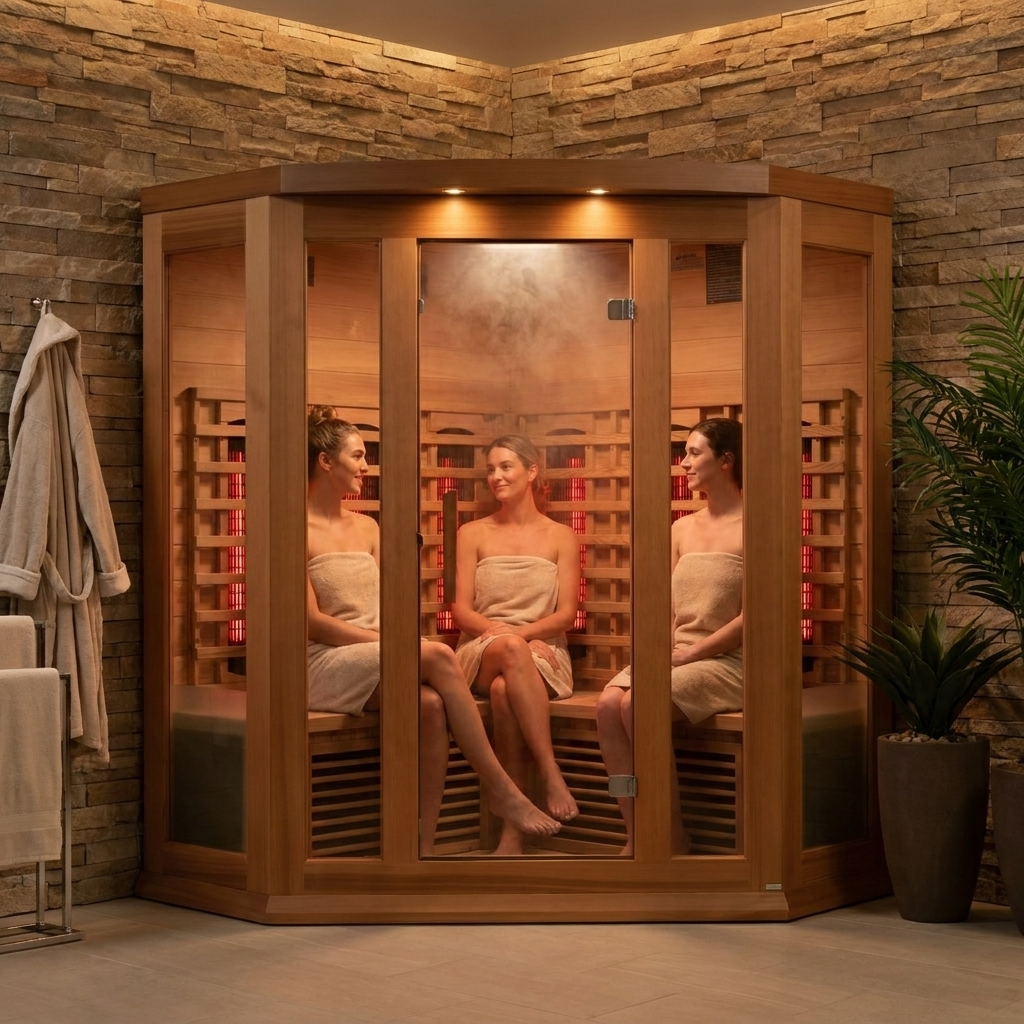
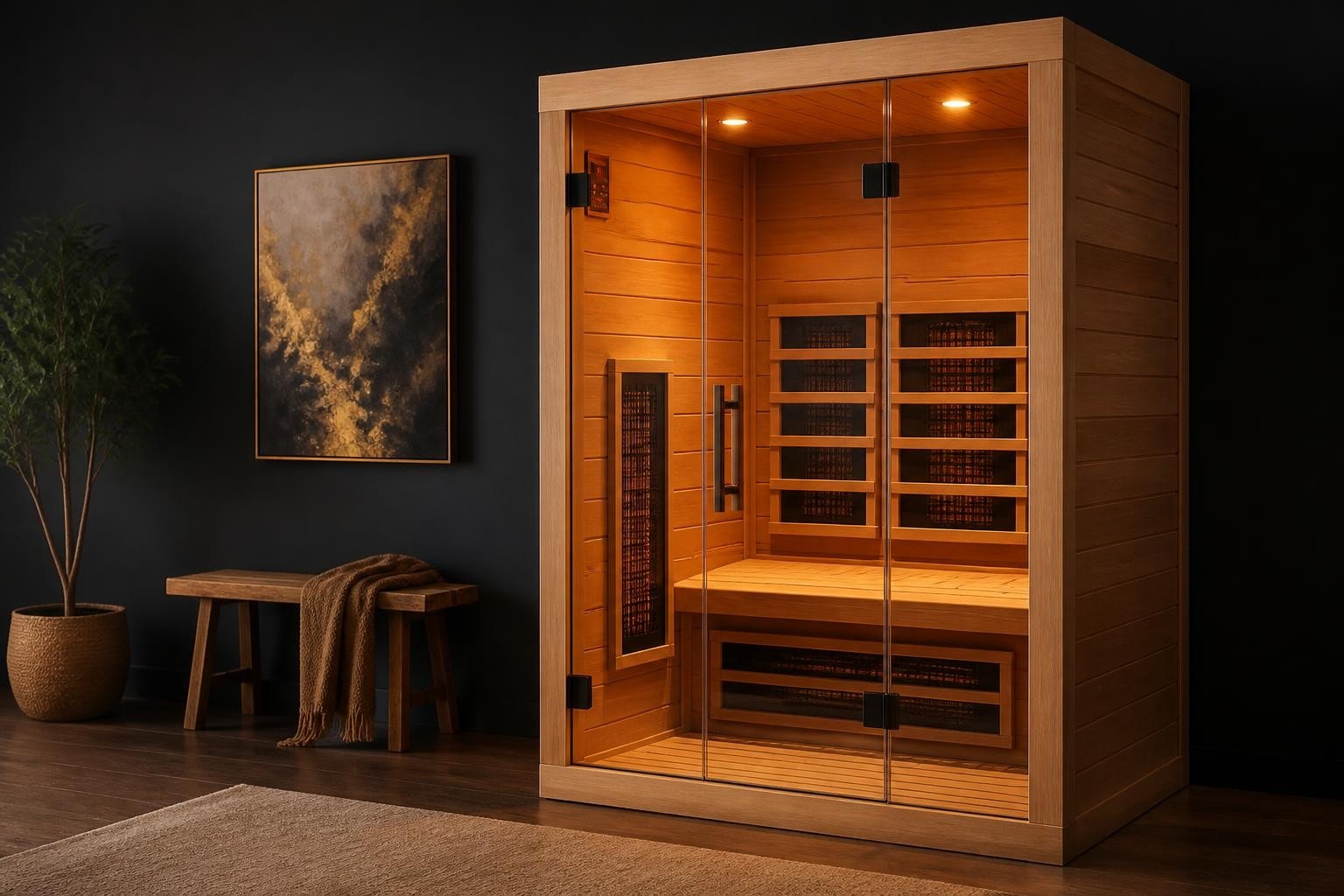
Investing in an infrared sauna for your home represents a commitment to long-term wellness and recovery. But with options ranging from compact one-person units to spacious family-sized models, understanding what drives the infrared sauna price is essential for making a smart buying decision. Whether you're looking for a basic entry-level model or a premium full-spectrum system with advanced features, knowing what you're paying for helps you maximize value and avoid costly mistakes. In 2026, the market offers more choices than ever before, with innovative technologies and competitive pricing making home infrared therapy more accessible to wellness-focused homeowners throughout the United States and Canada.
Understanding the Core Factors Behind Infrared Sauna Price
The infrared sauna price varies dramatically based on several critical factors that directly impact both the initial investment and long-term satisfaction. Size stands as the most obvious determinant, with one-person units typically starting around $1,500 to $2,500, while larger models designed for four to six people can range from $4,000 to $8,000 or more.
Material quality plays an equally important role in pricing. Premium Canadian Hemlock or Cedar construction costs more than basic softwoods, but these materials offer superior heat retention, durability, and aesthetic appeal. The wood species affects not only the immediate purchase price but also the sauna's longevity and maintenance requirements over years of use.
Heater technology represents another significant cost variable. According to industry pricing guides, infrared saunas equipped with carbon fiber heaters typically cost less than those featuring ceramic heaters or advanced full-spectrum systems. Full-spectrum technology delivers near, mid, and far infrared wavelengths, providing comprehensive therapeutic benefits but commanding a premium price point.
Breaking Down Price Tiers and What They Include
Budget-friendly infrared saunas in the $1,500 to $2,500 range typically include:
- Basic far infrared heaters
- Simple control systems
- Standard tempered glass doors
- One or two-person capacity
- Limited warranty coverage
Mid-range models priced between $2,500 and $5,000 offer enhanced features:
- Low EMF or near-zero EMF heater technology
- Chromotherapy lighting systems
- Bluetooth audio capabilities
- Improved insulation and energy efficiency
- Two to three-person capacity
- Extended warranty protection
Premium infrared saunas exceeding $5,000 deliver luxury experiences with:
- Full-spectrum infrared technology
- Near-zero EMF certification
- Himalayan salt features
- Red light therapy integration
- Advanced digital controls
- Premium wood construction
- Four-person or larger capacity
- Comprehensive lifetime warranties on components
Size and Capacity Impact on Investment
When evaluating infrared sauna price based on size, consider both your available space and intended use patterns. Single-person models offer the most affordable entry point and work perfectly for dedicated personal wellness routines. These compact units fit easily into apartments, condos, or smaller homes without requiring significant square footage.
Two-person saunas represent the most popular size category in 2026, balancing affordability with versatility. These models allow solo sessions with ample stretching room or comfortable shared experiences with a partner or friend. The Maxxus Seattle 2 Person Near Zero EMF FAR IR Sauna exemplifies this category with premium features including chromotherapy lighting, Bluetooth audio, and near-zero EMF technology, all within a footprint suitable for modern living spaces.
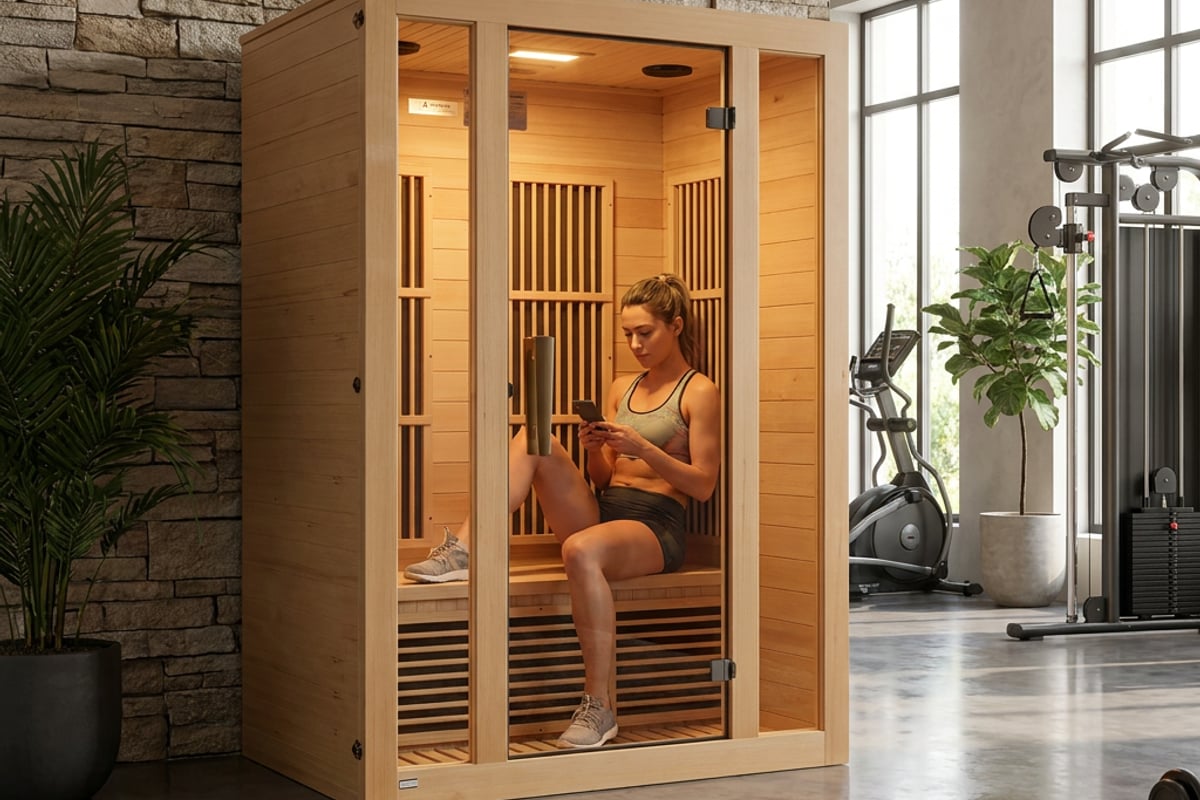
Larger three to four-person models suit families or those who frequently entertain guests. While the upfront infrared sauna price increases substantially, the per-person cost actually decreases, making these units excellent value for households with multiple users. As detailed in comparison guides between infrared and traditional saunas, larger infrared models still cost less to operate than traditional saunas of similar size due to lower temperature requirements and better energy efficiency.
| Sauna Size | Price Range | Ideal For | Typical Dimensions |
|---|---|---|---|
| 1 Person | $1,500-$2,800 | Apartments, personal use | 36" x 42" x 75" |
| 2 Person | $2,200-$4,500 | Couples, small spaces | 48" x 48" x 75" |
| 3 Person | $3,200-$6,000 | Small families | 60" x 48" x 75" |
| 4+ Person | $5,000-$10,000+ | Families, entertaining | 72" x 60" x 75" |
Technology and Features That Affect Pricing
EMF levels directly influence the infrared sauna price, with low-EMF and near-zero EMF models commanding premium prices due to advanced shielding technology and superior heater design. Standard infrared saunas may emit electromagnetic fields measuring 10-50 milligauss, while near-zero EMF units maintain levels below 3 milligauss. This technology requires more sophisticated engineering and quality control, justifying the higher cost for health-conscious buyers.
Full-spectrum capability represents another significant price driver. Traditional far-infrared saunas cost less than full-spectrum models that incorporate near and mid-infrared wavelengths. Each wavelength penetrates tissue at different depths, supporting various wellness benefits:
- Near-infrared: Supports skin health and surface-level circulation
- Mid-infrared: Promotes improved blood flow and cardiovascular function
- Far-infrared: Delivers deep tissue penetration for detoxification and muscle recovery
Chromotherapy lighting systems add $200 to $500 to the base infrared sauna price, but many users consider this worthwhile for the enhanced relaxation experience. LED color therapy allows users to select different wavelengths that correspond to specific moods and therapeutic intentions, transforming each session into a multi-sensory wellness ritual.
Hidden Costs and Long-Term Ownership Considerations
Smart shoppers look beyond the sticker price to understand the total cost of ownership. Installation expenses vary based on your sauna choice and home setup. Most modern infrared saunas plug into standard 110V or 120V outlets, eliminating the need for expensive electrical work. However, larger units may require 220V circuits, adding $500 to $1,500 in professional electrical installation costs.
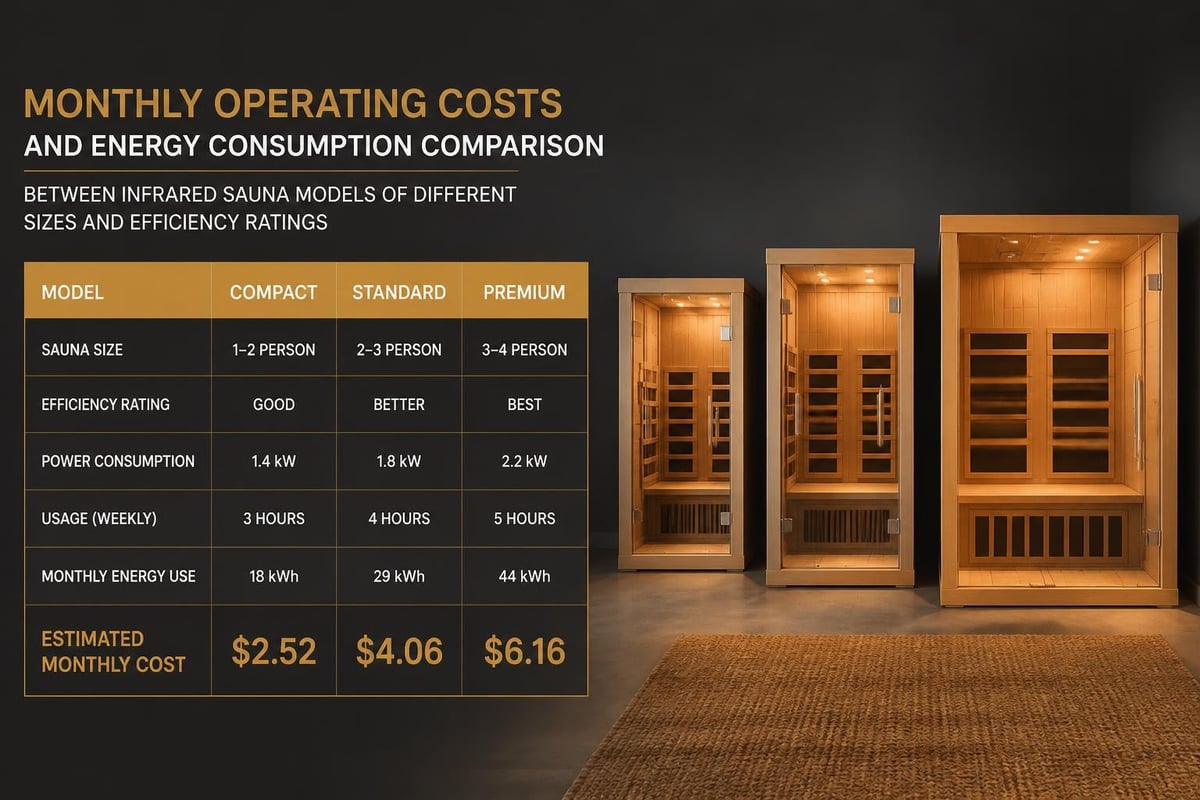
Operating costs remain remarkably low compared to traditional saunas. According to detailed cost breakdowns, infrared saunas typically consume 1.6 to 3.5 kilowatts per hour. At average U.S. electricity rates of $0.16 per kWh, a 45-minute session costs approximately $0.20 to $0.42. Monthly expenses for regular users (4-5 sessions weekly) typically range from $3 to $8, making infrared therapy remarkably affordable for daily use.
Maintenance requirements also factor into long-term value. Quality infrared saunas need minimal upkeep:
- Wipe down interior surfaces after each use
- Vacuum or sweep floor periodically
- Replace heaters every 10-15 years (if needed)
- Check door seals annually
Higher-quality construction reduces these maintenance demands even further, justifying a higher initial infrared sauna price through reduced long-term hassle and expense.
Premium Features Worth the Investment
Certain upgrades justify their additional cost through enhanced comfort, convenience, or therapeutic benefits. Bluetooth audio systems transform sauna sessions into opportunities for guided meditation, audiobooks, or relaxing music. This feature typically adds $150 to $300 to the infrared sauna price but significantly improves the overall experience for many users.
Tempered glass doors with bronze, gray, or clear tinting cost more than solid wood doors but create an open, spa-like atmosphere while allowing natural light to enter the cabin. The visual appeal and reduced feelings of confinement make this upgrade worthwhile for users who prefer airy, open spaces during their sessions.
Digital control panels with preset programs and customizable temperature curves add convenience and precision. Advanced controllers remember your preferred settings, automatically adjust heating patterns, and even integrate with smartphone apps for remote operation. While basic analog controls cost less, digital systems provide superior user experience and temperature consistency.
Red light therapy integration represents one of the most valuable premium features available in 2026. Combining infrared heat with targeted red light wavelengths supports skin health, collagen production, and cellular energy production. As explained in our guide to red light therapy sauna combinations, this dual therapy approach maximizes wellness benefits without requiring separate equipment purchases.
Comparing Budget Models Versus Premium Units
Budget infrared saunas deliver essential functionality at accessible price points, making them ideal for first-time buyers or those testing whether regular sauna use fits their lifestyle. These models typically feature far-infrared heaters, basic controls, and standard construction. While they lack luxury amenities, they provide the core therapeutic benefits that make infrared therapy valuable.
The primary compromises in budget models include:
- Higher EMF levels (though still within safe ranges)
- Slower heating times
- Less precise temperature control
- Basic wood grades prone to warping
- Shorter warranty periods
- Fewer comfort features
Premium units justify their elevated infrared sauna price through tangible improvements in daily use. Near-zero EMF technology protects sensitive individuals from electromagnetic exposure. Superior insulation reduces energy waste and maintains more consistent temperatures. Premium Canadian Hemlock or Cedar construction resists warping, cracking, and moisture damage far better than lower-grade materials.
| Feature Category | Budget Models | Premium Models |
|---|---|---|
| EMF Levels | 10-30 MG | Under 3 MG |
| Heating Time | 30-45 minutes | 15-25 minutes |
| Wood Quality | Basic softwood | Canadian Hemlock/Cedar |
| Warranty | 1-3 years | 5+ years to lifetime |
| Temperature Range | Limited settings | Precise digital control |
Research from comprehensive pricing guides indicates that premium models often prove more cost-effective over 10+ years of ownership due to lower maintenance needs, better energy efficiency, and reduced replacement likelihood.
Installation Options and Associated Costs
Pre-built infrared saunas offer plug-and-play convenience with minimal installation requirements. These fully assembled units arrive ready to use, requiring only placement in your chosen location and connection to a standard electrical outlet. Zero installation costs make pre-built models attractive for renters or those planning to relocate their sauna in the future.
Modular saunas require basic assembly but still avoid major construction expenses. Most manufacturers design these units with interlocking panels and simple hardware, allowing homeowners to complete setup in 2-4 hours using basic tools. Assembly difficulty remains minimal even for those without carpentry experience, though having a helper simplifies the process.
Custom-built saunas represent the highest investment tier, with prices often exceeding $15,000 when including professional construction, electrical work, and premium materials. These installations make sense for luxury home builders, commercial wellness facilities, or homeowners creating dedicated spa spaces. While the infrared sauna price increases substantially, custom builds integrate seamlessly with existing architecture and accommodate unique spatial requirements.
Warranty Coverage and What It Really Means
Warranty terms reveal manufacturer confidence in product quality and provide critical protection for your investment. Comprehensive coverage should include:
- Heaters: Lifetime or 5+ year warranties indicate durable construction
- Electronics: 3-5 year coverage protects control systems and lighting
- Wood structure: 5+ years demonstrates quality materials and craftsmanship
- Labor: At least 1 year of service coverage
Extended warranties justify higher prices when they include labor coverage and comprehensive component protection. A $4,500 sauna with lifetime heater coverage and 5-year comprehensive protection often provides better long-term value than a $3,000 model with minimal warranty terms.
Review warranty exclusions carefully before purchasing. Some manufacturers void coverage if you relocate the sauna, perform DIY repairs, or fail to register the product within specific timeframes. Understanding these conditions prevents unpleasant surprises if you need warranty service.
Seasonal Sales and Strategic Buying Timing
The infrared sauna price fluctuates throughout the year based on seasonal demand patterns and retail promotions. Black Friday and Cyber Monday consistently deliver the year's deepest discounts, with many retailers offering 15-30% off regular prices during late November. These sales present excellent opportunities for budget-conscious buyers willing to wait for maximum savings.
New Year promotions capitalize on wellness-focused resolutions, with manufacturers offering competitive pricing and bonus accessories throughout January and early February. While discounts may not match Black Friday levels, selection typically exceeds holiday shopping periods since inventory restocks after holiday demand.
Summer clearance sales help retailers move inventory before new model releases in fall. June through August often brings solid deals on previous year's models, though selection becomes limited as popular configurations sell out. According to pricing trend analysis, buying floor models or previous generation units can save 20-40% while still providing excellent performance and full warranty coverage.
End-of-year clearances in late December help manufacturers meet annual sales goals while making room for new inventory. These sales sometimes offer deeper discounts than traditional Black Friday events, particularly on larger models that require more warehouse space.
Financing Options and Payment Strategies
Many infrared sauna retailers offer financing programs that break the total cost into manageable monthly payments. Zero-interest promotional periods (typically 6-24 months) allow buyers to spread payments without additional expense, making premium models accessible to more households. Monthly payments of $150-$300 fit comfortably into many budgets, while paying the full infrared sauna price upfront might strain cash flow.
Credit cards with extended 0% APR periods provide similar benefits when combined with disciplined repayment plans. This approach offers flexibility and often includes reward points or cashback, effectively reducing the net cost. Calculate total interest charges carefully if you cannot pay off the balance during promotional periods, as deferred interest can significantly increase the final price.
Home equity lines of credit (HELOCs) present another financing option, particularly for buyers investing in multiple wellness products or comprehensive home spa spaces. Interest rates typically beat credit cards, and interest may be tax-deductible when the improvement adds value to your property. Consult with tax professionals about specific deductibility in your situation.
Medical flexible spending accounts (FSAs) or health savings accounts (HSAs) sometimes cover infrared sauna purchases when prescribed by physicians for specific medical conditions. While policies vary, obtaining a prescription for chronic pain, arthritis, or circulation issues may allow you to use pre-tax dollars, effectively reducing the infrared sauna price by your marginal tax rate.
Evaluating Total Value Beyond Initial Price
Cost per use provides a more meaningful metric than purchase price alone when evaluating long-term value. A $4,000 sauna used 200 times annually costs just $20 per session in the first year, dropping to $10 per session by year two, and continuing to decrease with consistent use. Compare this to $30-$60 per visit at commercial wellness facilities, and home ownership clearly delivers superior value for regular users.
Potential health benefits and avoided medical expenses add difficult-to-quantify value that can dwarf the initial investment. While infrared saunas don't replace medical treatment, many users report improvements in:
- Chronic pain management
- Stress and anxiety reduction
- Sleep quality
- Recovery from athletic training
- Circulation and cardiovascular function
Reducing reliance on massage therapy, physical therapy sessions, or other wellness services by even 30-40% through regular sauna use can generate hundreds to thousands in annual savings. These indirect benefits make even premium-priced models excellent investments for health-focused individuals.
Home value appreciation represents another consideration for real estate investors and homeowners planning long-term residence. Quality wellness amenities increasingly attract buyers, particularly in higher-end markets. While you shouldn't expect dollar-for-dollar value recovery, a well-maintained infrared sauna can differentiate your property and appeal to wellness-conscious buyers.
Smart Shopping Strategies for Best Value
Research multiple retailers and manufacturers before committing to a purchase. Prices vary significantly across sellers, even for identical models. Established specialty retailers like those offering infrared saunas for sale often provide superior customer service, detailed product knowledge, and comprehensive after-sale support that budget retailers cannot match.
Request detailed specifications and certifications before purchasing. ETL or CE safety certifications confirm the sauna meets electrical safety standards. FSC certification for wood indicates sustainable forestry practices. Near-zero EMF claims should include specific milligauss measurements at various distances from heaters.
Compare shipping and delivery terms carefully, as these can significantly impact total cost. Some retailers include white-glove delivery service in the base price, while others charge $200-$500 for inside delivery and assembly assistance. Factor these expenses into your budget when comparing infrared sauna price across different vendors.
Read customer reviews focusing on long-term ownership experiences rather than just initial impressions. Reviews from users who have owned their saunas for 2+ years provide valuable insights into durability, maintenance requirements, and whether premium features deliver lasting value. Pay particular attention to comments about customer service quality when issues arise.
Common Pricing Mistakes to Avoid
Focusing exclusively on the lowest price often leads to disappointing ownership experiences and potentially higher total costs through repairs, replacements, or early upgrades. As detailed in comprehensive cost breakdowns, extremely low prices (below $1,200 for adult-sized units) often indicate substandard materials, inadequate heater power, or minimal warranty coverage.
Overlooking operating costs skews long-term value calculations. A $2,000 sauna that consumes 50% more electricity than a $3,000 efficient model costs an additional $50-$100 annually in energy bills. Over a 15-year ownership period, that seemingly cheap sauna actually costs more while delivering inferior performance.
Ignoring upgrade costs for features you'll definitely want leads to buyer's remorse and potential replacement purchases. If Bluetooth audio, chromotherapy lighting, or specific capacity are important to you, choose a model that includes these features rather than settling for a basic unit you'll outgrow quickly.
Underestimating space requirements causes installation headaches and potentially wasted money. Measure your intended location carefully, accounting for:
- Sauna exterior dimensions
- Door swing clearance (minimum 24 inches)
- Ventilation space around all sides (2-3 inches recommended)
- Electrical outlet proximity
- Ceiling height clearance
Purchasing the wrong size wastes money either through unused capacity (too large) or inadequate space causing discomfort (too small). A home sauna guide can help you determine the right capacity for your household size and usage patterns.
Making Your Decision: Price Versus Value
The ideal infrared sauna price balances your budget constraints with features that genuinely enhance your wellness routine and daily life quality. Start by identifying non-negotiable requirements such as capacity, EMF levels, and essential features. Then evaluate optional upgrades based on how much you'll realistically use them.
Create a weighted decision matrix scoring models across categories like:
- Initial price (weight: 30%)
- Operating costs (weight: 15%)
- Warranty coverage (weight: 20%)
- Features and amenities (weight: 20%)
- Build quality and materials (weight: 15%)
This systematic approach prevents emotional purchasing decisions and ensures you select a sauna that delivers value aligned with your specific needs. Remember that the best infrared sauna isn't necessarily the most expensive or the cheapest-it's the one that fits your lifestyle, space, and wellness goals while staying within your financial comfort zone.
For buyers prioritizing comprehensive features and long-term reliability, exploring premium home infrared saunas reveals models that justify their higher prices through superior construction, advanced technology, and enhanced user experiences that make daily use genuinely enjoyable rather than merely functional.
Understanding infrared sauna price dynamics empowers you to invest wisely in your wellness journey, choosing a model that delivers lasting value rather than temporary savings. Whether you select an efficient two-person unit or a spacious family model, prioritizing quality construction, proven technology, and comprehensive warranty protection ensures years of therapeutic benefits and relaxation. INFRIUM offers carefully curated infrared saunas across all price ranges, combining premium features with competitive pricing and expert guidance to help you create the perfect home wellness space with confidence and fast nationwide shipping throughout the US and Canada.
Share:
Mobile Sauna For Sale: 2026 Buyer's Guide
Home with Sauna: Transform Your Space into a Wellness Haven