

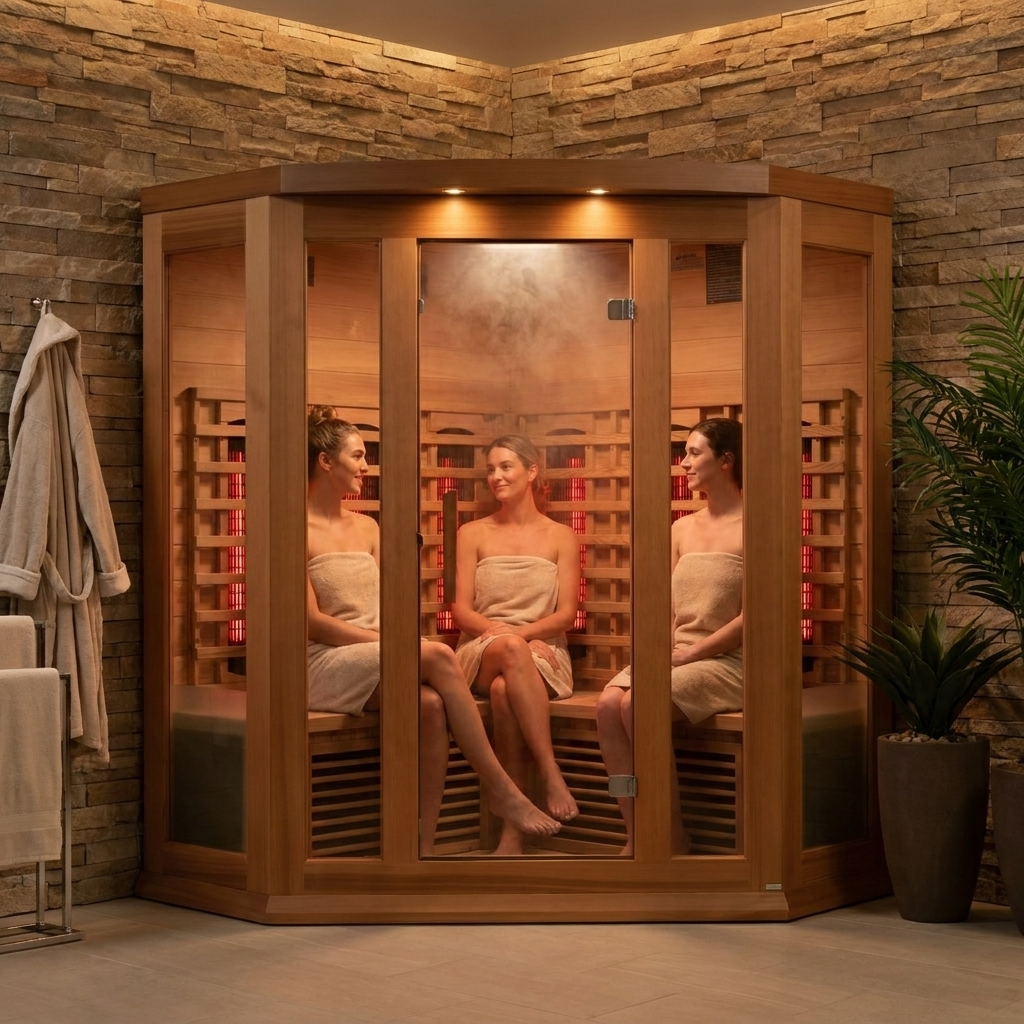
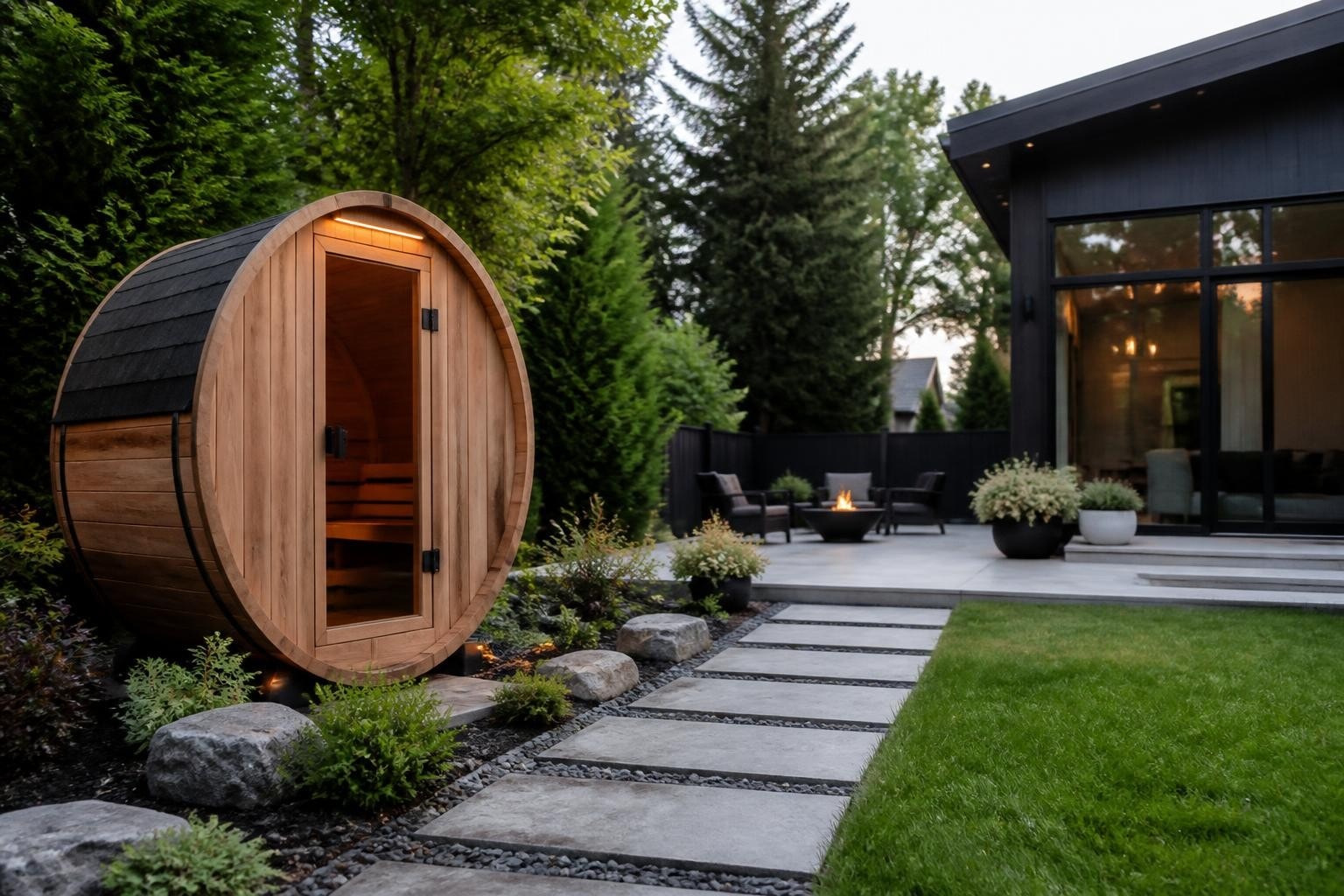
Creating a dedicated wellness space at home has become more than a luxury in 2026-it's a strategic investment in daily health, mental clarity, and long-term vitality. A dry sauna outdoor installation offers the perfect combination of therapeutic benefits and backyard transformation. Whether you're building a recovery sanctuary, enhancing your property value, or simply claiming space for daily self-care, an outdoor dry sauna brings professional-grade wellness directly to your home. This guide reveals everything you need to know about selecting, installing, and maximizing your outdoor sauna investment.
Why Choose a Dry Sauna Outdoor Setup
The appeal of a dry sauna outdoor installation extends far beyond aesthetics. Unlike indoor installations that require dedicated room space and extensive ventilation modifications, outdoor saunas provide installation flexibility that works with your existing home layout.
Key advantages of outdoor placement include:
- Complete separation from living spaces, creating a true wellness retreat
- No need for major home renovations or interior construction
- Natural ventilation and fresh air integration
- Enhanced privacy for uninterrupted relaxation sessions
- Potential property value increase with attractive outdoor amenities
Research shows that regular dry sauna bathing supports cardiovascular health, stress reduction, and improved recovery. When you position this powerful wellness tool outdoors, you combine these physiological benefits with the psychological advantages of nature exposure.
The outdoor environment naturally complements sauna therapy. Stepping from your warm sauna into cool evening air creates an invigorating contrast experience that many wellness enthusiasts seek deliberately.
Understanding Dry Sauna Technology for Outdoor Use
A dry sauna outdoor system operates differently than traditional steam saunas or wet heat environments. The term "dry sauna" refers to heating methods that produce minimal humidity, typically maintaining humidity levels below 20% during sessions.
Infrared vs Traditional Heating
Modern outdoor saunas primarily use two heating approaches:
| Heating Type | Temperature Range | Heat Penetration | Energy Efficiency | Installation Complexity |
|---|---|---|---|---|
| Traditional (rock/electric) | 150-195°F | Surface heat | Moderate | Requires robust electrical |
| Infrared (carbon/ceramic) | 120-150°F | Deep tissue penetration | High | Standard 120V in many models |
| Full Spectrum Infrared | 120-150°F | Near, mid, far IR wavelengths | High | Standard electrical |
Infrared technology has revolutionized outdoor sauna installations. Unlike traditional systems that heat the air around you, infrared heaters emit wavelengths that warm your body directly. This creates a comfortable, therapeutic session at lower ambient temperatures while using significantly less energy.
For outdoor installations, infrared systems offer distinct advantages. They require less powerful electrical connections, generate heat more efficiently in variable outdoor temperatures, and often feature better EMF shielding, which becomes important in regular-use wellness equipment.
Weather Resistance and Durability
Installing a sauna outside requires materials specifically engineered for outdoor exposure. Premium outdoor saunas use weather-resistant woods like Canadian Hemlock or Nordic Spruce that naturally resist moisture, temperature fluctuations, and UV exposure.
Construction features that ensure longevity include:
- Tongue-and-groove wall construction for superior insulation
- Marine-grade electrical components with waterproof seals
- Tempered glass doors that withstand temperature extremes
- Elevated foundations that prevent ground moisture contact
- Protective roof designs that shed rain and snow effectively
Quality outdoor saunas are built to last decades, not just years. When properly maintained, a well-constructed dry sauna outdoor unit will outlast many indoor installations because the dedicated construction accounts for environmental challenges from day one.
Planning Your Dry Sauna Outdoor Installation
Strategic planning transforms a simple purchase into a functional wellness sanctuary. Before selecting your sauna model, evaluate your outdoor space through both practical and experiential lenses.
Site Selection Criteria
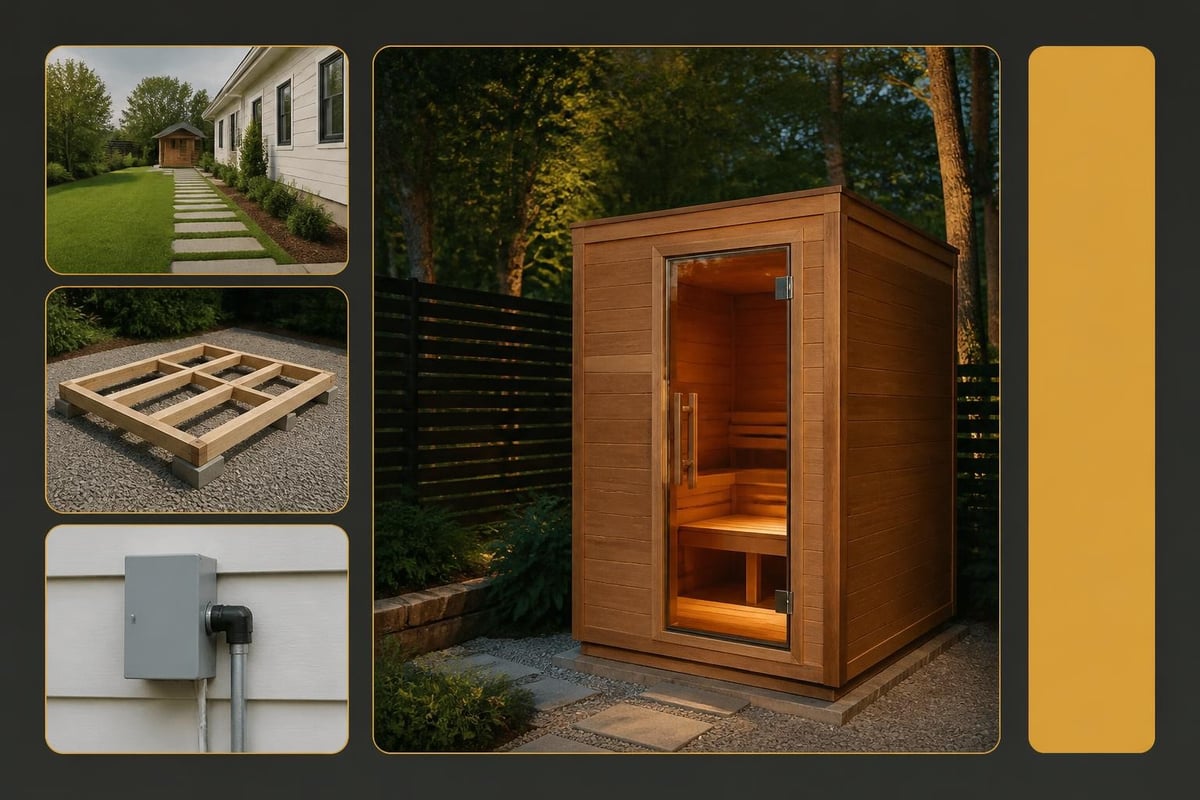
Foundation requirements: Your dry sauna outdoor installation needs a stable, level surface. Acceptable foundation options include concrete pads, composite decking, paver stones, or reinforced gravel bases. The foundation should extend at least 6 inches beyond the sauna footprint on all sides and provide proper drainage to prevent water pooling.
Electrical access: Most infrared saunas require standard 120V electrical connections, while traditional heater saunas often need 240V dedicated circuits. Plan for licensed electrical work that includes weatherproof connections and proper grounding. Position your sauna within reasonable distance of your electrical panel to minimize installation costs.
Privacy considerations: Your outdoor sauna becomes a personal retreat when positioned thoughtfully. Consider sightlines from neighboring properties, screening options using landscaping or fencing, and the path from your home to the sauna entrance.
Natural privacy enhancers include strategic placement behind existing structures, using tall ornamental grasses or evergreen shrubs, installing decorative privacy screens, or positioning the sauna door away from sight lines.
Size and Capacity Planning
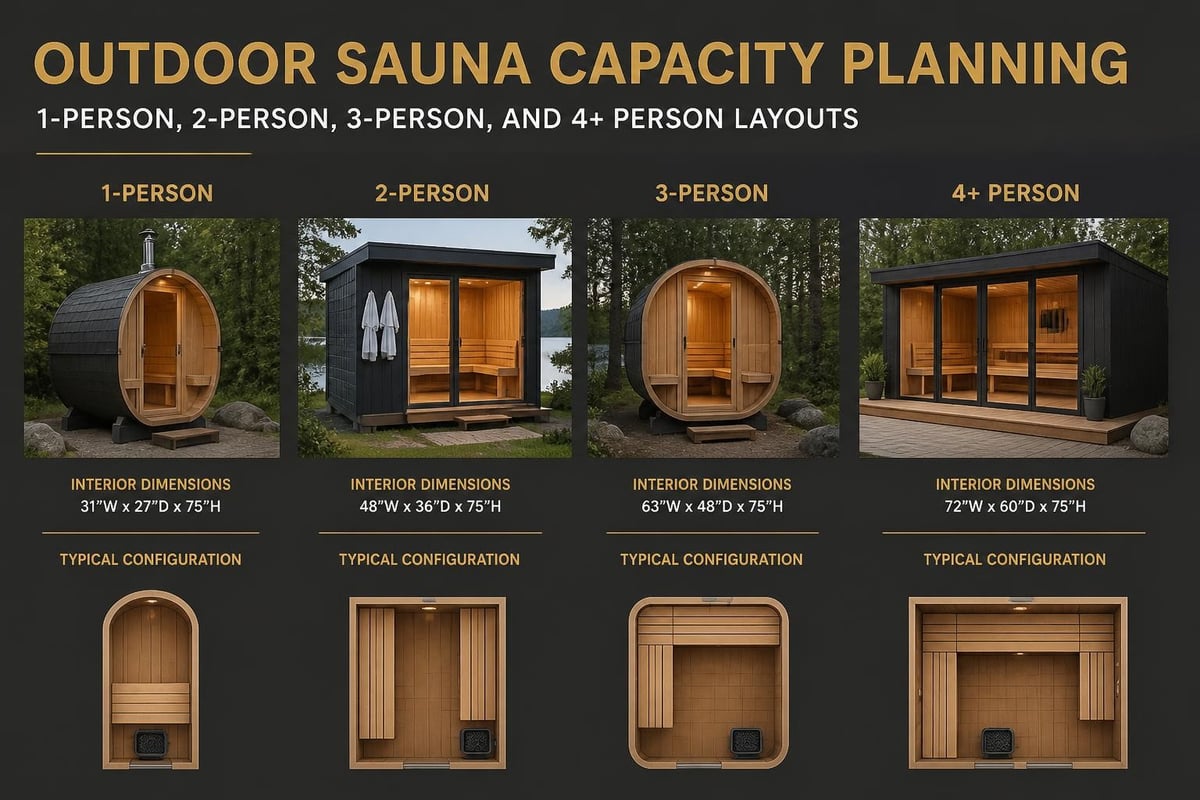
Choosing the right sauna size impacts both your daily experience and long-term satisfaction. Consider these factors:
- Primary users: Will you typically sauna alone, with a partner, or with family/friends?
- Available space: Measure your intended location including clearance for door swing and maintenance access
- Future flexibility: Larger capacity accommodates guests and adds resale appeal
- Comfort preferences: More interior space allows stretching, lying down, and movement during sessions
A 2-person infrared sauna provides comfortable space for couples or solo sessions with room to move, while 3-4 person models create family-friendly wellness spaces that accommodate various usage patterns.
Installation Process and Timeline
Professional installation ensures your dry sauna outdoor setup functions safely and efficiently from the first session. While some homeowners tackle DIY installations, working with experienced installers typically provides better long-term results and preserves warranty coverage.
Professional vs DIY Installation
Professional installation typically includes:
- Site evaluation and foundation preparation recommendations
- Electrical work by licensed electricians
- Full sauna assembly with manufacturer specifications
- Safety testing and operational verification
- Warranty protection and installation guarantees
DIY installation works best when you have:
- Construction experience and proper tools
- Licensed electrician support for connections
- Helper assistance (saunas require 2-3 people for assembly)
- Time to carefully follow manufacturer instructions
- Understanding of local building codes and permits
Most quality outdoor saunas arrive as prefabricated panels that connect together systematically. The actual assembly often takes 4-8 hours for experienced DIYers, though foundation preparation and electrical work add substantial time.
Timeline Expectations
| Phase | Timeline | Key Considerations |
|---|---|---|
| Planning & Selection | 1-2 weeks | Research models, compare features, verify specs |
| Foundation Preparation | 3-7 days | Concrete curing, site grading, drainage |
| Electrical Installation | 1-2 days | Permits, inspections, weatherproof connections |
| Sauna Assembly | 1 day | Professional installation or DIY with help |
| Testing & Adjustment | 1 day | Heat-up verification, controls testing |
Rush installations often create problems. Proper foundation curing prevents settling issues, careful electrical work ensures safety, and methodical assembly prevents structural problems that emerge months later.
Maximizing Your Outdoor Sauna Experience
Positioning your dry sauna outdoor creates unique opportunities to enhance each wellness session through thoughtful integration with your outdoor environment.
Creating an Integrated Wellness Space
Transform the area surrounding your sauna into a complete recovery zone:
- Cool-down areas: Position seating within 10-15 feet of your sauna for post-session relaxation
- Hydration stations: Install outdoor water features or small refrigeration for cold drinks
- Contrast therapy: Incorporate cold plunge tubs for alternating hot-cold protocols
- Lighting design: Add pathway lighting, ambient outdoor fixtures, and interior sauna chromotherapy
Contrast therapy, which alternates between heat exposure and cold immersion, amplifies the benefits of both modalities. Many wellness enthusiasts position their outdoor cold plunge near their sauna, creating a powerful recovery circuit that supports circulation, reduces inflammation, and enhances mental resilience.
Seasonal Optimization
One of the most surprising benefits of a dry sauna outdoor setup is year-round usability. Quality outdoor saunas perform excellently in all seasons when properly maintained.
Winter sessions become particularly therapeutic. The contrast between frigid outdoor air and warm sauna interior creates an invigorating experience that many users prefer over summer sessions. Snow surrounding your sauna adds natural beauty while providing instant cold therapy options.
Summer sessions work best during cooler morning or evening hours. The lower operating temperatures of infrared saunas (compared to traditional units) make summer use more comfortable. Position your sauna in shaded areas or add retractable awnings to prevent excessive solar heat gain.
Spring and fall offer ideal conditions with moderate ambient temperatures that make pre-heating faster and cool-down periods more comfortable.
Maintenance Requirements for Long-Term Performance
Proper outdoor sauna maintenance protects your investment and ensures consistent performance for decades. Outdoor installations face unique maintenance needs compared to indoor units.
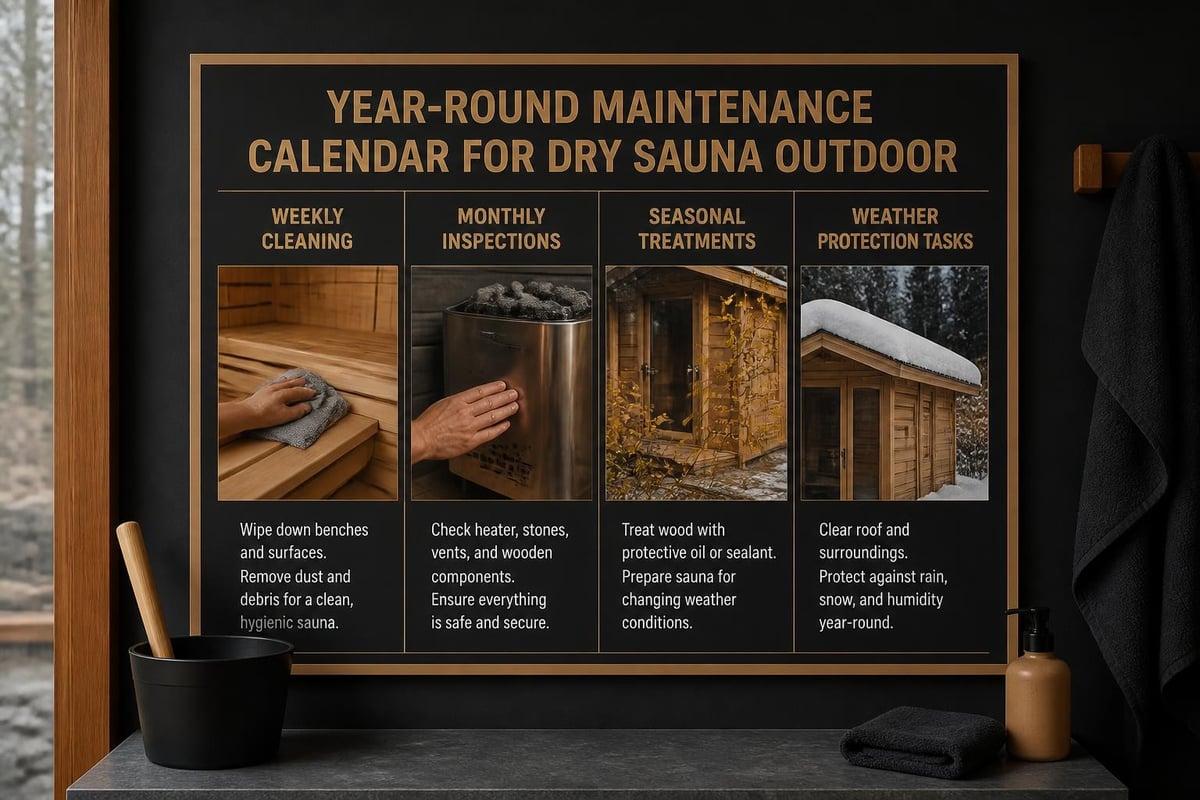
Regular Maintenance Tasks
Weekly:
- Wipe interior surfaces with damp cloth
- Remove any debris from ventilation areas
- Check door seals and hinges
- Empty and clean any floor drainage
Monthly:
- Inspect electrical connections for corrosion
- Clean tempered glass doors inside and out
- Verify heater operation and even heat distribution
- Check exterior wood for new weathering or damage
Quarterly:
- Apply wood conditioning treatment to interior surfaces
- Inspect roof and seal any developing gaps
- Test all electrical components and controls
- Verify structural integrity of benches and supports
Annually:
- Professional electrical inspection
- Exterior wood treatment or sealing
- Deep clean all surfaces and components
- Replace any worn weather stripping
For those considering different sauna types, understanding maintenance differences between indoor and outdoor installations helps set realistic expectations for long-term ownership.
Weather Protection Strategies
Premium outdoor saunas include weather-resistant construction, but proactive protection extends longevity significantly:
- Roof overhangs: Ensure your sauna has adequate roof projection to shed water away from walls
- Protective stains: Apply exterior-grade wood treatments every 1-2 years depending on climate
- Drainage systems: Maintain clear pathways for water runoff around the foundation
- Ventilation management: Keep vents clear but protected from direct weather exposure
- Seasonal covers: Consider breathable covers for extended non-use periods in harsh climates
The impact of humidity on outdoor sauna performance varies by climate. In consistently humid regions, additional ventilation or dehumidification strategies may optimize interior conditions and wood longevity.
Health Benefits and Safety Considerations
The therapeutic advantages of regular sauna use are well-documented, and a dry sauna outdoor installation makes consistent practice more appealing and accessible.
Evidence-Based Health Benefits
Regular sauna sessions support multiple aspects of health and performance:
- Cardiovascular function: Heat exposure creates beneficial cardiovascular stress similar to moderate exercise
- Detoxification: Deep sweating helps eliminate heavy metals and environmental toxins
- Muscle recovery: Increased blood flow accelerates healing and reduces soreness
- Stress reduction: Heat therapy activates parasympathetic nervous system responses
- Improved sleep: Evening sessions often promote deeper, more restorative sleep
- Skin health: Increased circulation and sweating support clearer, healthier skin
A comprehensive systematic review of dry sauna bathing demonstrates the broad range of potential health benefits when sauna use becomes a regular practice.
Safety Protocols for Outdoor Use
Pre-session preparation:
- Hydrate thoroughly 1-2 hours before your session
- Avoid alcohol or heavy meals immediately before sauna use
- Check that electrical connections show no moisture or damage
- Verify proper sauna temperature before entering (most infrared: 120-140°F)
During your session:
- Limit initial sessions to 15-20 minutes until accustomed
- Bring water inside to sip during longer sessions
- Listen to your body and exit if you feel dizzy or nauseous
- Use towels on benches to protect skin from hot surfaces
Post-session care:
- Cool down gradually rather than jumping into ice-cold water immediately
- Rehydrate with electrolyte-enhanced water
- Shower to remove sweat and toxins from skin
- Allow 2-3 hours before intense physical activity
For outdoor installations, additional safety considerations include maintaining clear, well-lit pathways between your home and sauna, especially during winter months when ice or snow creates hazards.
Comparing Outdoor Sauna Options
When selecting your dry sauna outdoor system, several key specifications determine both immediate satisfaction and long-term value.
Critical Selection Criteria
Heating technology: Choose between far infrared (deepest penetration, most therapeutic), full spectrum infrared (combines near, mid, and far wavelengths), or traditional heaters (highest temperatures, classic experience). Most wellness-focused users prefer full spectrum systems that deliver comprehensive infrared benefits.
EMF levels: Quality infrared saunas feature ultra-low EMF construction that shields users from electromagnetic field exposure. Look for models specifying EMF levels under 3mG at sitting distance. Near-zero EMF construction provides peace of mind for frequent users concerned about long-term exposure.
Wood quality: Canadian Hemlock and Nordic Spruce are premium choices for outdoor saunas. Both resist warping, provide excellent insulation, and develop attractive patina over time. Avoid saunas using composite materials or low-grade softwoods that deteriorate quickly in outdoor conditions.
Glass doors: Tempered glass doors add both aesthetic appeal and functional benefits. Bronze-tinted glass provides privacy while allowing natural light, and tempered construction withstands thermal stress that standard glass cannot handle.
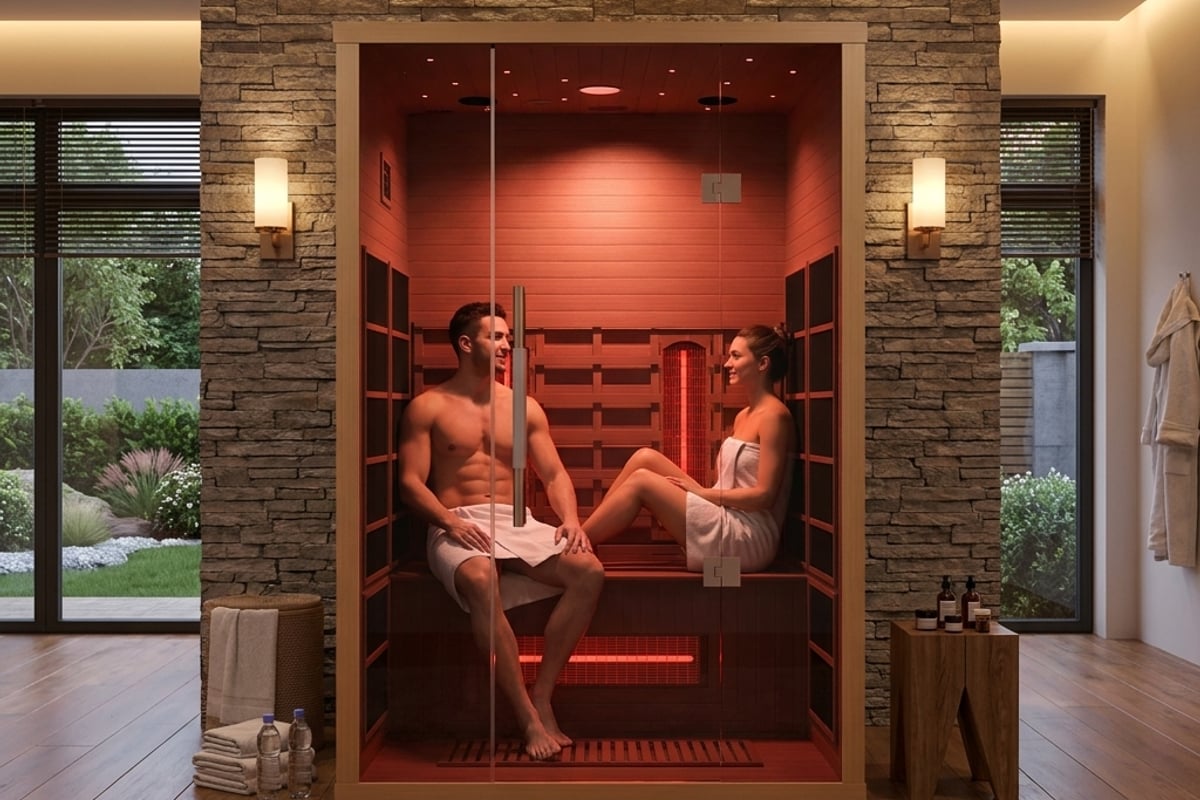
The Orivon Wellness Lumin 2 Person Infrared Sauna exemplifies modern sauna engineering with premium Canadian Hemlock construction, full spectrum infrared technology, and a compact footprint that fits most outdoor spaces. Built for both performance and aesthetics, it transforms small backyards into professional-grade wellness environments.
Indoor vs Outdoor Decision Framework
Understanding key differences between indoor and outdoor saunas helps clarify which option serves your specific needs best.
Choose outdoor installation when:
- You want to preserve interior home space
- Creating a dedicated wellness retreat appeals to you
- Your home lacks suitable interior space for sauna installation
- You enjoy outdoor environments and nature connection
- Property enhancement through outdoor amenities aligns with goals
Choose indoor installation when:
- Climate extremes in your region create year-round outdoor challenges
- Convenient access from bathroom or bedroom is priority
- You prefer controlled indoor environment
- Existing home layout includes ideal sauna location
- Outdoor space is limited or unsuitable
For many homeowners, the question isn't which option is objectively better, but rather which creates the wellness experience they'll actually use consistently. A beautiful outdoor sauna that requires bundling up and walking through snow may see less use than a convenient indoor unit, while others find that same winter walk part of the appealing ritual.
Cost Considerations and Return on Investment
Understanding the complete financial picture helps you make informed decisions about your dry sauna outdoor investment.
Initial Investment Breakdown
| Cost Category | Budget Range | Mid-Range | Premium |
|---|---|---|---|
| Sauna Unit (2-person) | $1,800-$2,500 | $2,500-$4,000 | $4,000-$7,000+ |
| Foundation/Pad | $200-$500 | $500-$1,200 | $1,200-$2,500 |
| Electrical Work | $150-$400 | $400-$800 | $800-$1,500 |
| Professional Installation | $0 (DIY) | $500-$1,000 | $1,000-$2,000 |
| Accessories & Setup | $100-$300 | $300-$600 | $600-$1,200 |
| Total Investment | $2,250-$3,700 | $4,200-$7,600 | $7,600-$14,200 |
Premium outdoor saunas justify higher initial costs through superior construction, advanced heating technology, lower EMF levels, longer warranties, and enhanced features like chromotherapy lighting and premium audio systems.
Operating Costs and Efficiency
Monthly operating costs vary based on usage patterns and heating technology:
Infrared saunas: Most 2-3 person infrared models consume 1.5-2.0 kW per session. At average electricity rates of $0.13 per kWh, a 45-minute session costs approximately $0.09-$0.12. Daily use totals roughly $3-4 monthly.
Traditional heater saunas: Higher-power traditional units (4-6 kW) cost $0.26-$0.39 per 45-minute session, or about $8-12 monthly with daily use.
The energy efficiency of infrared technology becomes particularly valuable for outdoor installations where you might use your sauna year-round regardless of ambient temperature.
Property Value Impact
Quality outdoor amenities consistently add resale value to residential properties. While exact figures vary by market, well-designed outdoor wellness spaces often return 50-70% of installation costs in increased property value, with premium installations in desirable markets sometimes returning close to 100%.
Beyond direct financial return, a dry sauna outdoor installation:
- Differentiates your property from comparable listings
- Appeals to health-conscious buyers (growing demographic)
- Demonstrates property upgrade and maintenance commitment
- Creates lifestyle marketing opportunities in listing presentations
Enhancing Your Outdoor Wellness Ecosystem
Your dry sauna outdoor installation becomes even more valuable when integrated into a comprehensive home wellness strategy.
Complementary Wellness Equipment
Cold therapy integration: Alternating between sauna heat and cold exposure creates powerful physiological responses. Position a cold plunge tub, outdoor shower, or natural water feature within 20-30 feet of your sauna for convenient contrast therapy circuits.
Red light therapy: Some premium saunas include integrated red light therapy panels that deliver additional anti-aging, skin health, and recovery benefits during sauna sessions. This dual-modality approach maximizes time efficiency.
Outdoor fitness equipment: Create a complete outdoor recovery zone by adding stretching areas, yoga platforms, or resistance training equipment near your sauna. Post-workout sauna sessions support muscle recovery and flexibility.
Meditation and mindfulness spaces: Position comfortable seating, fire features, or water elements near your sauna to extend the relaxation experience beyond the heated session itself.
Smart Technology Integration
Modern outdoor saunas increasingly feature connected technology:
- Mobile app controls for pre-heating before you step outside
- Chromotherapy lighting programs that adjust automatically
- Bluetooth audio systems for meditation, music, or podcasts
- Session timers and temperature monitoring
- Energy usage tracking for efficiency optimization
These features transform your dry sauna outdoor installation from simple heat therapy to a sophisticated wellness technology platform.
Building Your Daily Sauna Practice
Consistency drives results in wellness interventions. Creating sustainable sauna routines ensures you actually realize the health benefits your investment makes possible.
Optimal Session Protocols
Frequency recommendations:
- Beginners: 2-3 sessions per week, 15-20 minutes each
- Intermediate: 4-5 sessions per week, 25-30 minutes each
- Advanced: Daily sessions, 30-45 minutes each
Timing strategies:
- Morning sessions: Energize your day, support circulation, enhance mental clarity
- Pre-workout: Warm muscles, improve flexibility, prepare body for training
- Post-workout: Accelerate recovery, reduce muscle soreness, support adaptation
- Evening sessions: Promote relaxation, improve sleep quality, reduce stress
Temperature progression: Start at comfortable temperatures (110-120°F for infrared) and gradually increase as your heat tolerance develops. Listen to your body rather than pushing through discomfort.
Making It a Sustainable Habit
The most beautiful dry sauna outdoor installation provides zero value if it sits unused. Build sustainable habits through:
- Ritual creation: Develop pre-session routines (hydration, towel prep, music selection) that signal your brain it's wellness time
- Calendar blocking: Schedule sauna sessions like important appointments
- Social integration: Invite friends or family to join sessions regularly
- Tracking progress: Note how you feel after sessions to reinforce positive associations
- Seasonal variety: Adjust session timing and duration with seasons to maintain year-round appeal
For detailed guidance on maximizing your investment, explore the complete collection of premium infrared saunas designed specifically for home wellness environments.
Navigating Permits and Regulations
Understanding local requirements prevents costly delays and ensures your dry sauna outdoor installation complies with all applicable codes.
Common Permit Requirements
Building permits: Most jurisdictions require permits for permanent outdoor structures, though requirements vary based on size, foundation type, and electrical specifications. Freestanding saunas under certain square footage thresholds sometimes qualify for simplified permitting.
Electrical permits: Any new electrical work, especially outdoor installations requiring weatherproof connections, typically requires licensed electrician work and inspection approval.
Setback requirements: Local zoning codes often specify minimum distances from property lines, existing structures, and easements. Verify these requirements before finalizing your sauna location.
HOA approvals: If you live in a community with homeowner associations, submit architectural review applications showing your planned installation, materials, and placement before purchasing your sauna.
Working with Contractors and Inspectors
Professional installers familiar with outdoor sauna projects understand local code requirements and inspection processes. When hiring contractors:
- Verify current licensing and insurance coverage
- Request references from recent outdoor sauna installations
- Confirm they'll handle permit applications and inspections
- Get detailed written estimates covering all project phases
- Understand warranty implications of DIY vs professional installation
Most code inspectors appreciate proactive communication. Contact your building department early in the planning process to understand requirements and avoid surprises.
A dry sauna outdoor installation represents more than an amenity-it's a daily commitment to health, recovery, and sustainable wellness that pays dividends for decades. With strategic planning, quality equipment selection, and proper maintenance, your outdoor sauna becomes the cornerstone of a home wellness ecosystem that transforms how you feel, perform, and recover every single day. Whether you're exploring premium infrared options or comparing different installation approaches, choosing equipment built specifically for outdoor performance ensures your investment delivers reliable therapeutic benefits through all seasons and weather conditions. Start building your backyard wellness sanctuary today with equipment engineered for lasting performance and I N F R I U M's expert guidance every step of the way.
Share:
Sauna Pad: Essential Guide to Cushions and Mats
Best Infrared Saunas for Home: 2026 Buyer's Guide